admin

Leaning Tower & Cathedral Skip-the-Line Entry Ticket

Marvel at the Legendary Tower of Pisa

The Tower of Pisa is one of the most legendary monuments in the world. Instantly recognizable for its elegant lean and striking white marble design, this architectural masterpiece has fascinated people for more than eight centuries. Standing proudly in the heart of Pisa, Italy, the tower is more than just a bell tower—it is a global symbol of beauty, resilience, and human creativity. To marvel at the Tower of Pisa is to step into a living story of history, art, and innovation. Every year, millions of visitors travel from around the world to witness this wonder. Some come for the famous photographs, while others seek to understand the remarkable journey behind its creation. No matter the reason, the Tower of Pisa leaves an unforgettable impression on everyone who sees it. A Dream Born in Medieval Italy Construction of the Tower of Pisa began in 1173, during the height of Pisa’s power as a maritime republic. The city wanted to display its wealth, religious devotion, and architectural skill through a grand bell tower that would stand beside the Cathedral of Santa Maria Assunta in the Piazza dei Miracoli, also known as the Square of Miracles. The tower was built from white and gray marble and designed in the Romanesque style, featuring elegant arches and columns. However, shortly after the first three levels were completed, the structure began to lean due to the soft soil beneath its foundation. Builders were forced to stop construction for decades, allowing the ground to settle. When work resumed, architects tried to correct the tilt, unknowingly creating the tower’s signature curved shape. A Masterpiece of Design The Tower of Pisa stands approximately 56 meters tall and consists of eight levels, including the bell chamber. Each level is decorated with beautifully carved columns and arches, giving the tower a sense of balance and grace. Inside, a spiral staircase with nearly 300 steps winds upward to the top. As visitors climb, they can feel the tower’s tilt beneath their feet, making the experience thrilling and unforgettable. At the summit, breathtaking views of Pisa, the Arno River, and the Tuscan countryside await. The Lean That Made History The tower’s lean gradually worsened over centuries, raising fears of collapse. By the late 20th century, engineers launched an ambitious restoration project. Through careful soil removal and foundation reinforcement, they reduced the tilt and stabilized the tower. Today, it stands safely, still leaning proudly. A Place of Legend and Learning The Tower of Pisa is linked to Galileo Galilei, who was born in the city. According to legend, he conducted gravity experiments from the tower, adding to its mystique. A Timeless Icon The Tower of Pisa remains one of the world’s greatest wonders. Standing tall while leaning, it continues to inspire awe and admiration, making it a true legend of history. Book Now

Marvel at the Legendary Tower of Pisa Read More »
Pisa: 5 Attractions Ticket with Skip-the-Line & Audio Guide

The Leaning Tower & The Tower of Pisa: Beauty in Every Angle

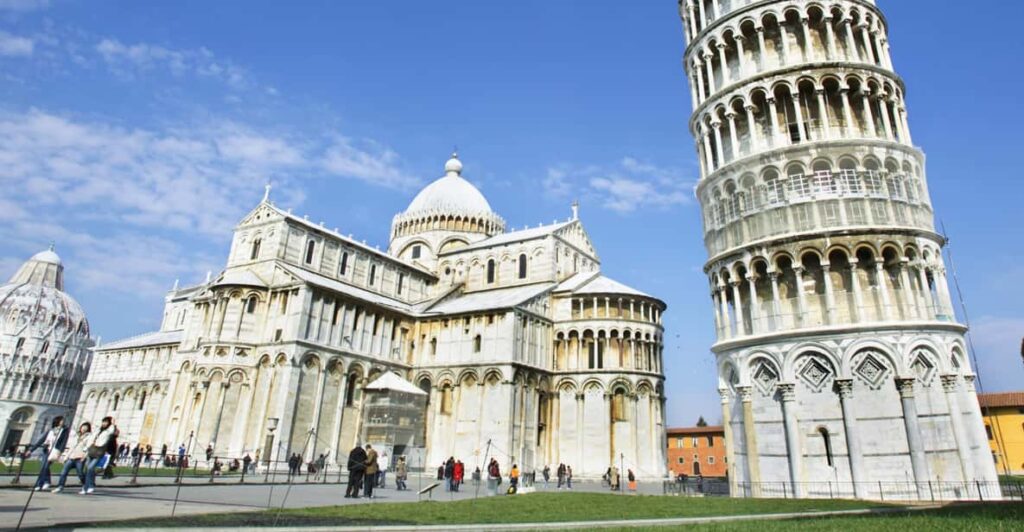
The Tower of Pisa, famously known as the Leaning Tower, is one of the most breathtaking landmarks in the world. Rising gracefully in the heart of Pisa, Italy, this architectural wonder captures attention from every angle. Its famous tilt, elegant marble arches, and timeless history make it a symbol of beauty, resilience, and artistic brilliance. For over eight centuries, the Leaning Tower has stood as a reminder that even imperfections can create something truly extraordinary. Millions of travelers from across the globe visit Pisa each year to admire the tower’s unique charm. Whether viewed from afar or up close, the Tower of Pisa offers a different kind of beauty at every angle—an experience that leaves visitors inspired and amazed. A Vision That Changed History Construction of the Tower of Pisa began in 1173 when Pisa was a powerful maritime republic. The tower was designed as a bell tower for the Cathedral of Santa Maria Assunta, part of the stunning Piazza dei Miracoli. Built from white marble, it was intended to stand tall and straight as a symbol of Pisa’s wealth and faith. However, after only three levels were completed, the tower began to lean due to the soft, unstable soil beneath its foundation. Builders paused construction for decades. When work resumed, architects attempted to correct the tilt, unintentionally giving the tower its graceful curve. Romanesque Elegance Standing approximately 56 meters tall, the Tower of Pisa features eight levels decorated with arches and columns in the Romanesque style. The white marble reflects sunlight beautifully, making the tower glow against the Tuscan sky. Inside, a spiral staircase with nearly 300 steps leads to the bell chamber. Visitors can feel the tilt beneath their feet, adding excitement to the climb. At the top, panoramic views of Pisa and the surrounding countryside await. The Famous Lean The tower’s lean gradually worsened over centuries, raising concerns of collapse. In the late 20th century, engineers launched a massive restoration project. By removing soil and reinforcing the foundation, they successfully stabilized the tower while preserving its iconic tilt. A Center of Culture and Legend The Tower of Pisa is linked to Galileo Galilei, who was born in the city. Legend says he conducted gravity experiments from the tower, adding to its mystique. A Global Treasure Today, the Tower of Pisa is a UNESCO World Heritage Site and one of Europe’s most visited landmarks. Its beauty, history, and charm make it a must-see destination. Timeless Beauty The Leaning Tower of Pisa remains a masterpiece of art and engineering. From every angle, it tells a story of resilience, creativity, and timeless beauty. Book Now

The Leaning Tower & The Tower of Pisa: Beauty in Every Angle Read More »

Tower of pisa facts

The Tower of Pisa: A Global Icon

The Tower of Pisa is one of the most recognizable monuments in the world and a true global icon. Famous for its dramatic lean and elegant Romanesque design, this extraordinary structure represents centuries of history, art, and human ingenuity. Rising above the historic city of Pisa in Tuscany, Italy, the tower attracts millions of visitors every year and continues to inspire people across cultures and generations. More than just a bell tower, the Tower of Pisa is a symbol of resilience and creativity. What began as a simple architectural project transformed into one of the most celebrated landmarks on Earth. Its story reminds us that even mistakes can become masterpieces. A Monument Born from Ambition Construction of the Tower of Pisa began in 1173 during a time when Pisa was a powerful maritime republic. The city wanted to display its wealth and devotion by building a grand bell tower to stand beside the Cathedral of Santa Maria Assunta in the Piazza dei Miracoli, or Square of Miracles. Built from white and gray marble, the tower was intended to stand perfectly straight. However, after only a few years, the structure began to sink on one side due to the soft soil beneath its foundation. Construction was halted for decades, allowing the ground to settle. When work resumed, builders attempted to correct the lean by making upper floors slightly taller on one side, creating the tower’s famous curved shape. Architectural Beauty The Tower of Pisa stands approximately 56 meters tall and consists of eight levels, including the bell chamber at the top. Each level is decorated with graceful columns and arches that reflect the Romanesque style. The white marble exterior glows in the Tuscan sunlight, giving the tower a timeless appearance. Inside, a spiral staircase with nearly 300 steps leads to the summit. As visitors climb, they can feel the tilt beneath their feet, adding to the excitement. From the top, breathtaking views of Pisa and the surrounding countryside await. The Lean That Made History The tower’s lean gradually worsened over centuries, raising concerns about its stability. By the late 20th century, it leaned at a dangerous angle. A major restoration project was launched by an international team of engineers. Through careful soil removal and foundation reinforcement, they successfully reduced the tilt and secured the tower. Today, it stands safely, still leaning proudly. A Cultural and Scientific Legacy The Tower of Pisa is associated with Galileo Galilei, who was born in Pisa. Legend says he conducted gravity experiments from the tower, highlighting its place in scientific history. A World Treasure Today, the Tower of Pisa is a UNESCO World Heritage Site and one of the most visited landmarks in Europe. Travelers from around the world come to admire its beauty and history. A Timeless Symbol The Tower of Pisa remains a global icon, standing tall while leaning—a reminder of human creativity, resilience, and wonder. book now

The Tower of Pisa: A Global Icon Read More »

Tower of pisa history

The Tower of Pisa: A Symbol of Italian Brilliance

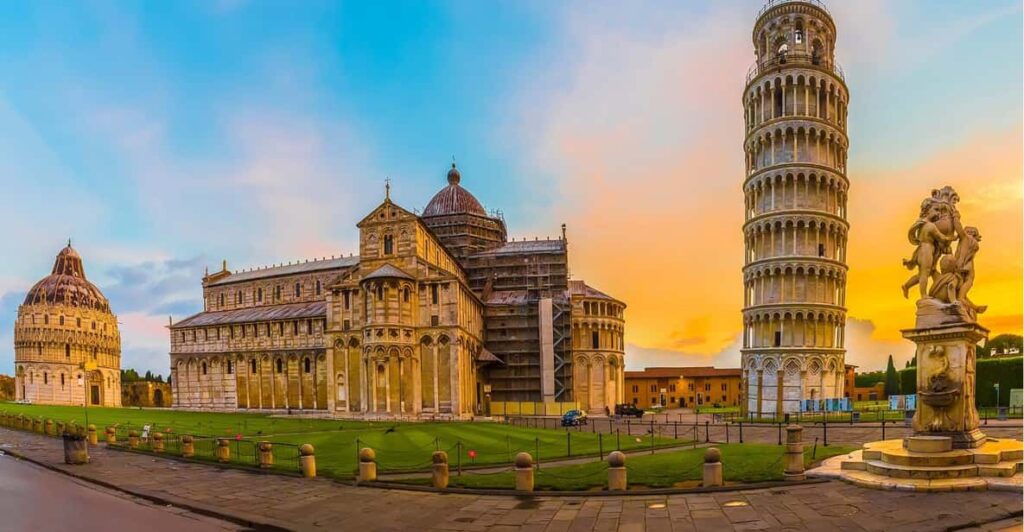
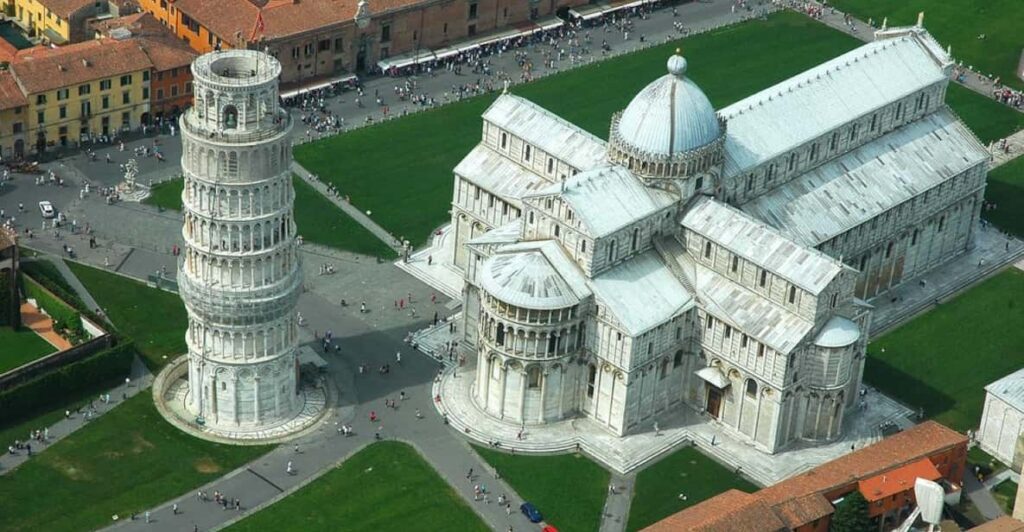
The Tower of Pisa is one of the most celebrated landmarks in the world and a shining symbol of Italian brilliance. Famous for its graceful lean and breathtaking Romanesque design, this extraordinary monument represents centuries of art, innovation, and determination. Rising above the historic city of Pisa in Tuscany, the tower captures the spirit of Italy—where beauty, creativity, and history come together in perfect harmony. For more than eight hundred years, the Tower of Pisa has fascinated travelers, historians, architects, and artists. What began as a simple bell tower for a cathedral evolved into a global icon admired by millions. Its story is one of ambition, challenge, and triumph, making it a true masterpiece of human ingenuity. A Monument Born from Ambition Construction of the Tower of Pisa began in 1173, during the height of Pisa’s power as a maritime republic. The city wanted a bell tower that would reflect its wealth, devotion, and architectural skill. Built as part of the grand religious complex in the Piazza dei Miracoli, the tower was designed to complement the Cathedral of Santa Maria Assunta and the Baptistery. The foundation, however, was laid on soft soil composed of clay and sand. This unstable base caused the tower to sink on one side after only a few years of construction. Builders were forced to halt the project for decades. When construction resumed, architects attempted to correct the lean by adjusting the upper floors, unknowingly creating the tower’s famous curved form. Architectural Excellence The Tower of Pisa stands approximately 56 meters tall and consists of eight levels, including the bell chamber. Each level is decorated with graceful columns and arches that reflect the Romanesque style of medieval Italy. The white marble exterior glows in the Tuscan sunlight, giving the tower a majestic presence. Inside, a spiral staircase of nearly 300 steps leads to the top. As visitors climb, they can feel the tilt beneath their feet, making the journey both thrilling and memorable. From the summit, panoramic views of Pisa, the Arno River, and the surrounding countryside reward every step. The Lean That Changed History The tower’s lean is what makes it world-famous. Over centuries, the tilt gradually increased, causing fears of collapse. By the late 20th century, the structure leaned at a dangerous angle. An international team of engineers launched a massive restoration project to stabilize the tower. Through careful soil removal, foundation reinforcement, and monitoring, they successfully reduced the tilt and preserved the monument for future generations. Today, the Tower of Pisa stands securely, still leaning proudly. A Center of Culture and Science The Tower of Pisa is closely linked to Galileo Galilei, who was born in the city. According to legend, he conducted gravity experiments from the tower. Whether true or not, the story reflects Pisa’s importance in the history of science and discovery. The Piazza dei Miracoli The tower stands alongside the Cathedral, Baptistery, and Camposanto in the Piazza dei Miracoli, a UNESCO World Heritage Site. Together, these monuments represent centuries of religious devotion, artistic mastery, and cultural pride. A Global Icon Millions of visitors travel to Pisa each year to see the tower. Its beauty, history, and unique design make it one of Italy’s greatest treasures. A Lasting Legacy The Tower of Pisa remains a powerful symbol of Italian brilliance. Standing tall while leaning, it continues to inspire the world as a timeless wonder. book now

The Tower of Pisa: A Symbol of Italian Brilliance Read More »

Leaning Tower & Cathedral Skip-the-Line Entry Ticket

The Tower of Pisa: Where Time Stands Still

The Tower of Pisa is one of the most recognizable monuments in the world, admired for its graceful lean, striking beauty, and rich history. Rising above the ancient city of Pisa in Tuscany, Italy, this iconic structure seems to exist outside of time. For more than eight centuries, it has watched empires rise and fall, welcomed travelers from every corner of the globe, and remained a symbol of human creativity and resilience. To stand before the Tower of Pisa is to feel as though time itself has slowed, allowing you to connect with centuries of history in a single moment. More than just a bell tower, the Tower of Pisa is a living story. What began as an ambitious architectural project evolved into one of the world’s greatest wonders. Its famous lean, once considered a failure, is now celebrated as a mark of uniqueness and charm. A Vision from the Middle Ages Construction of the Tower of Pisa began in 1173, when Pisa was a powerful maritime republic. The city wanted to display its wealth and devotion through a magnificent religious complex in what is now known as the Piazza dei Miracoli, or Square of Miracles. The tower was designed to serve as the bell tower for the Cathedral of Santa Maria Assunta. Built from white and gray marble, the tower was meant to stand straight and tall. However, after only three levels were completed, the structure began to sink because the foundation was laid on soft, unstable soil. Construction stopped for nearly a century, allowing the ground to settle. When work resumed, architects tried to correct the tilt, unintentionally giving the tower its iconic curved shape. Architectural Grace The Tower of Pisa stands approximately 56 meters tall and consists of eight levels, including the bell chamber at the top. Each level is decorated with elegant arches and columns that reflect the Romanesque style. The marble exterior glows in the Tuscan sunlight, creating a magical atmosphere. Inside, a spiral staircase of nearly 300 steps leads to the summit. As visitors climb, they can feel the tower’s tilt beneath their feet. At the top, breathtaking views of Pisa, the Arno River, and the surrounding countryside await. The Lean That Defined a Legend The tower’s lean gradually increased over centuries, raising concerns about its stability. By the late 20th century, the tilt had become dangerous. A major restoration project brought together engineers from around the world. Through careful soil removal and foundation reinforcement, they reduced the tilt and ensured the tower’s safety. Today, it stands securely, still leaning proudly. A Place of Culture and Science The Tower of Pisa is associated with Galileo Galilei, who was born in Pisa. Legend says he conducted experiments from the tower, adding to its mystique. A Timeless Wonder The Tower of Pisa continues to inspire millions. Standing tall while leaning, it remains a place where time truly stands still. book now

The Tower of Pisa: Where Time Stands Still Read More »

Timed Entrance to Leaning Tower Pisa

Walk Through History at the Tower of Pisa

The Tower of Pisa is more than one of the world’s most famous landmarks—it is a living monument to history, art, science, and human determination. Standing proudly in the heart of Pisa, Italy, this iconic structure has watched centuries pass by, from medieval times to the modern world. Its graceful lean, once seen as a tragic flaw, has become a symbol of uniqueness and resilience. To walk through history at the Tower of Pisa is to step into a story that has been unfolding for over eight hundred years. Millions of visitors come to Pisa every year to admire the tower, climb its winding steps, and experience the magic of a place where time seems to stand still. Yet beyond the photographs and postcards lies a deeper story of ambition, struggle, and triumph that shaped this remarkable monument. The Birth of a Medieval Dream Construction of the Tower of Pisa began in 1173 during the height of Pisa’s power as a maritime republic. The city sought to create a grand religious complex that would reflect its wealth, devotion, and cultural importance. The tower was designed to serve as the bell tower for the Cathedral of Santa Maria Assunta, located in the Piazza dei Miracoli, or Square of Miracles. Built from gleaming white marble, the tower was meant to rise straight and tall. However, after just a few years, the structure began to lean because the ground beneath it was too soft to support the weight. Construction was halted for nearly a century, allowing the soil to settle. When work resumed, architects tried to correct the tilt, unknowingly creating the tower’s iconic curved shape. A Masterpiece of Romanesque Architecture The Tower of Pisa is a stunning example of Romanesque design. Standing approximately 56 meters tall, it consists of eight levels, including the bell chamber at the top. Each level is adorned with graceful columns and arches that give the tower a sense of elegance and harmony. Inside, a spiral staircase with nearly 300 steps winds upward. As visitors climb, they can feel the tower’s tilt beneath their feet, making the experience both thrilling and unforgettable. At the top, panoramic views of Pisa and the surrounding Tuscan countryside provide a breathtaking reward. The Lean That Changed Everything The tower’s lean is what makes it famous around the world. Over centuries, the tilt gradually worsened, causing concern that the structure might collapse. By the late 20th century, the lean had reached a dangerous level. A major restoration project was launched to stabilize the tower. Engineers from around the world worked together to reduce the tilt by removing soil and reinforcing the foundation. Their efforts were successful, ensuring that the Tower of Pisa would remain standing for generations to come. A Place of Legends and Learning The Tower of Pisa is closely associated with Galileo Galilei, who was born in the city. According to legend, he conducted experiments from the top of the tower to study gravity. While historians debate the story, it adds to the tower’s mystical charm. The Piazza dei Miracoli The tower stands alongside the Cathedral, Baptistery, and Camposanto in the Piazza dei Miracoli, a UNESCO World Heritage Site. Together, these monuments represent centuries of religious devotion and artistic achievement. A Timeless Journey To walk through history at the Tower of Pisa is to connect with the past in a meaningful way. Standing tall while leaning, the tower remains one of the world’s greatest wonders and a symbol of human resilience. book now

Walk Through History at the Tower of Pisa Read More »

Tower of pisa details facts

The Tower of Pisa: A Masterpiece That Defies Gravity

The Tower of Pisa is one of the most extraordinary monuments in the world. Famous for its dramatic lean and elegant Romanesque design, this iconic structure has become a global symbol of Italy and a masterpiece of human ingenuity. Rising above the historic city of Pisa in Tuscany, the tower appears to defy gravity itself, standing tall despite the odds. For more than eight centuries, it has captured the imagination of travelers, architects, and dreamers from around the world. What began as a simple bell tower for a cathedral transformed into one of the world’s most celebrated wonders. The Tower of Pisa reminds us that even mistakes can lead to greatness. Its story is one of perseverance, innovation, and timeless beauty. A Bold Vision in Medieval Pisa Construction of the Tower of Pisa began in 1173, during a time when Pisa was a powerful maritime republic. The city wanted to showcase its wealth, faith, and architectural skill through a magnificent religious complex in the Piazza dei Miracoli, or Square of Miracles. The tower was designed to serve as the bell tower for the Cathedral of Santa Maria Assunta. Built from white and gray marble, the tower was intended to stand perfectly straight. However, after only three levels were completed, it began to sink due to the soft, unstable soil beneath its foundation. This unexpected problem forced builders to halt construction for decades. When work resumed, architects attempted to compensate for the lean by making the upper floors slightly taller on one side, unknowingly creating the tower’s famous curved shape. An Architectural Wonder The Tower of Pisa stands about 56 meters tall and consists of eight levels, including the bell chamber at the top. Each level is decorated with graceful arches and columns that reflect the Romanesque style. The marble exterior glows in the Tuscan sunlight, giving the tower a magical appearance. Inside, a spiral staircase with nearly 300 steps winds to the top. As visitors climb, they feel the tilt beneath their feet, a sensation that makes the experience unforgettable. From the summit, panoramic views of Pisa, the Arno River, and the surrounding countryside await. Defying Gravity Through Innovation Over the centuries, the lean became more severe, raising fears of collapse. By the late 20th century, engineers from around the world launched a massive restoration project. Through careful soil removal, foundation reinforcement, and stabilization techniques, they reduced the tilt and secured the tower. Today, it stands safely, still leaning proudly. A Symbol of Culture and Science The Tower of Pisa is linked to Galileo Galilei, who was born in Pisa. Legend says he conducted gravity experiments from the tower. Whether true or not, the story adds to the tower’s legacy as a place of learning and discovery. A Timeless Treasure The Tower of Pisa continues to inspire millions. Standing tall while leaning, it remains a masterpiece that truly defies gravity and time. book now

The Tower of Pisa: A Masterpiece That Defies Gravity Read More »

Pisa & Lucca Day Tour

Experience the Magic of the Tower of Pisa

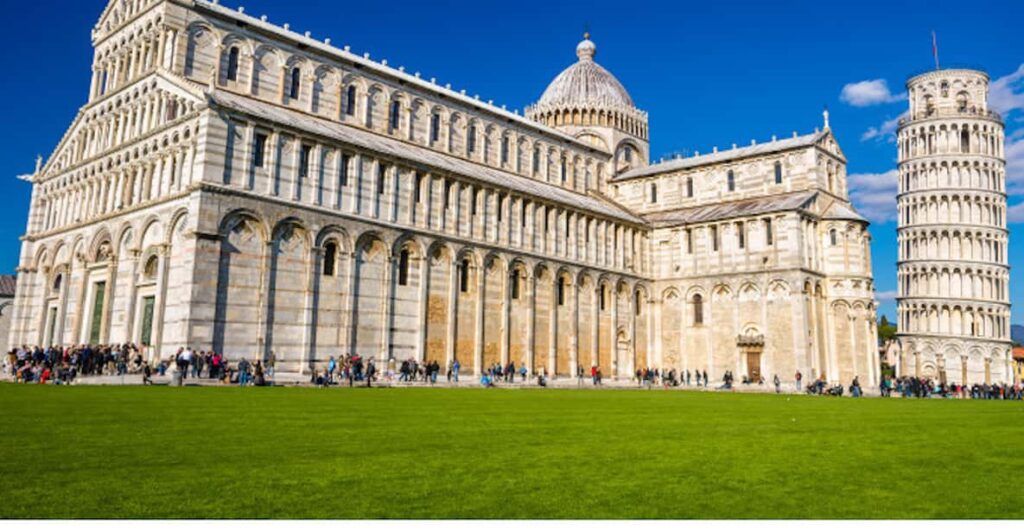
The Tower of Pisa is one of the most enchanting landmarks in the world, instantly recognizable for its graceful lean and timeless beauty. Rising above the historic city of Pisa in Tuscany, Italy, this extraordinary structure has fascinated travelers, historians, artists, and engineers for more than eight centuries. To experience the magic of the Tower of Pisa is to step into a living story of ambition, creativity, and resilience that continues to inspire people across the globe. More than just a monument, the tower represents the heart of Pisa and the spirit of Italy. Its famous tilt, once considered a tragic mistake, has become a symbol of uniqueness and charm. Millions of visitors journey to Pisa every year, eager to see this wonder with their own eyes and feel the sense of history that surrounds it. A Dream Born in the Middle Ages Construction of the Tower of Pisa began in 1173, during a period when Pisa was one of Italy’s most powerful maritime republics. The city wanted a grand bell tower to stand beside its cathedral in the Piazza dei Miracoli, or Square of Miracles. Built from white and gray marble, the tower was meant to showcase Pisa’s wealth, devotion, and architectural brilliance. However, only a few years into construction, the structure began to sink on one side. The soft soil beneath the foundation could not support the weight of the stone. Builders paused work for nearly a century, hoping the ground would settle. When construction resumed, architects tried to correct the tilt by making the upper floors slightly taller on one side, unknowingly giving the tower its iconic curved form. Architectural Beauty and Design The Tower of Pisa stands about 56 meters tall and features eight levels, including the bell chamber at the top. Each level is decorated with graceful columns and arches, reflecting the Romanesque style that was popular in medieval Italy. The tower’s white marble surface glows in the Tuscan sunlight, making it appear almost magical against the blue sky. Inside, a spiral staircase of nearly 300 steps leads to the top. As you climb, you can feel the tilt beneath your feet, creating a unique sensation that adds to the experience. Reaching the summit offers breathtaking views of Pisa’s red rooftops, green countryside, and the winding Arno River. The Mystery of the Lean The tower’s lean is what makes it famous around the world. Originally caused by a poorly designed foundation, the tilt gradually increased over centuries. At one point, the tower leaned at a dangerous angle, and experts feared it might collapse. In the late 20th century, a major restoration project was launched to save the tower. Engineers from around the world worked together to stabilize it by removing soil and reinforcing the foundation. These efforts successfully reduced the lean and ensured the tower’s safety for future generations. A Place of Legend and Learning The Tower of Pisa is closely associated with Galileo Galilei, the famous scientist born in the city. According to legend, he conducted experiments from the top of the tower to study gravity. While the story is debated, it adds to the tower’s magical reputation and highlights Pisa’s role in scientific discovery. The Piazza dei Miracoli The tower is part of the Piazza dei Miracoli, a UNESCO World Heritage Site that includes the Cathedral, Baptistery, and Camposanto. Together, these monuments represent centuries of religious devotion and artistic excellence. A Timeless Experience Experiencing the magic of the Tower of Pisa is more than sightseeing—it is a journey through history, beauty, and human resilience. Standing tall while leaning, the Tower of Pisa remains one of the world’s greatest wonders and a must-see destination for every traveler. book now

Experience the Magic of the Tower of Pisa Read More »

Pisa: 5 Attractions Ticket with Skip-the-Line & Audio Guide

The Tower of Pisa: Italy’s Most Famous Landmark

The Tower of Pisa is one of the most recognizable monuments in the world and a true symbol of Italy’s rich cultural heritage. Known for its remarkable lean and stunning Romanesque design, this iconic structure has fascinated travelers, historians, and architects for more than eight centuries. Located in the beautiful city of Pisa in Tuscany, the tower is far more than a simple bell tower—it is a story of ambition, challenge, and human perseverance. From its medieval origins to its modern restoration, the Tower of Pisa stands as a timeless reminder that even flaws can become legends. Millions of visitors from every corner of the globe come each year to admire its beauty, climb its winding stairs, and experience its magic firsthand. The Origins of a Masterpiece Construction of the Tower of Pisa began in 1173 during a time when Pisa was a powerful maritime republic. The tower was built as part of a grand religious complex in the Piazza dei Miracoli, or Square of Miracles. It was designed to serve as the bell tower for the nearby Cathedral of Santa Maria Assunta. The foundation was laid on soft soil composed of clay and sand, which proved unable to support the heavy marble structure. After only a few years, the tower began to tilt. Construction was halted for nearly 100 years, allowing the ground to settle. When work resumed, builders attempted to compensate for the lean by adjusting the upper floors, giving the tower its famous curved shape. Architectural Brilliance The Tower of Pisa stands approximately 56 meters tall and consists of eight levels, including the bell chamber. Its exterior is adorned with elegant columns, arches, and decorative details that reflect the Romanesque style. The white marble façade glows in the Tuscan sunlight, creating a breathtaking visual experience. Inside, a spiral staircase with nearly 300 steps leads to the top. Visitors can feel the tower’s tilt beneath their feet, adding to the excitement. From the summit, panoramic views of Pisa and the surrounding countryside offer a stunning perspective. The Lean That Changed History The tower’s lean, once seen as a disaster, became its greatest strength. Over centuries, the tilt gradually increased, raising concerns about the tower’s stability. By the late 20th century, the structure leaned dangerously. An international team of engineers launched a restoration project to stabilize the tower. By removing soil and reinforcing the foundation, they successfully reduced the lean and preserved the tower for future generations. Today, it stands safely, still leaning proudly. Cultural and Scientific Legacy The Tower of Pisa is closely linked to Galileo Galilei, who was born in Pisa. Legend says he conducted gravity experiments from the tower. Whether true or not, the story reflects Pisa’s importance in the history of science. The tower is part of a UNESCO World Heritage Site and stands alongside the Cathedral, Baptistery, and Camposanto, forming one of the most beautiful religious complexes in Europe. A Global Icon Today, the Tower of Pisa is a must-see destination for travelers worldwide. Its charm, history, and unique design make it one of Italy’s most famous landmarks. A Timeless Wonder The Tower of Pisa continues to inspire generations. Standing tall while leaning, it remains a symbol of beauty, resilience, and human creativity—a true treasure of Italy. book https://gyg.me/npbR57SMnow

The Tower of Pisa: Italy’s Most Famous Landmark Read More »

Leaning Tower and Cathedral Skip

Lean Into History at the Tower of Pisa

The Tower of Pisa is one of the most famous monuments in the world, instantly recognizable for its elegant lean and timeless beauty. Rising above the historic city of Pisa in Tuscany, Italy, this extraordinary structure is far more than a simple bell tower. It is a powerful symbol of human ambition, resilience, and creativity. For over eight centuries, the Tower of Pisa has captured the imagination of travelers, historians, architects, and dreamers from around the globe. To “lean into history” at the Tower of Pisa is to step into a story shaped by faith, innovation, mistakes, and determination. What began as a bold architectural project turned into one of the world’s greatest wonders. Its famous tilt, once seen as a flaw, is now celebrated as a mark of uniqueness and charm. The Birth of a Legend Construction of the Tower of Pisa began in 1173 during the height of Pisa’s power as a maritime republic. The city sought to display its wealth and devotion through a magnificent religious complex, now known as the Piazza dei Miracoli, or Square of Miracles. The tower was designed to serve as the bell tower for the Cathedral of Santa Maria Assunta. However, shortly after the first three levels were built, the tower began to lean due to the unstable, soft ground beneath it. This unexpected challenge forced builders to stop construction for nearly a century. When work resumed, architects attempted to correct the tilt by adjusting the upper floors, unintentionally creating the tower’s signature curve. A Masterpiece of Romanesque Design The Tower of Pisa is a stunning example of Romanesque architecture. Standing approximately 56 meters tall, it features eight levels decorated with graceful columns, arches, and intricate stonework. The white marble exterior reflects sunlight beautifully, giving the tower a glowing presence against the blue Tuscan sky. Inside, a spiral staircase with nearly 300 steps winds upward to the bell chamber. As visitors climb, they feel the tilt beneath their feet, a sensation that makes the experience truly unforgettable. At the top, panoramic views of Pisa and the surrounding countryside offer a breathtaking reward. The Famous Lean The tower’s lean is its most defining feature. Originally caused by a poorly designed foundation, the tilt gradually worsened over centuries. By the late 20th century, the structure leaned at a dangerous angle, and experts feared it might collapse. A massive restoration project was launched to stabilize the tower. Engineers carefully removed soil from beneath one side and reinforced the foundation. These efforts successfully reduced the tilt and ensured the tower’s safety for future generations. Today, the Tower of Pisa stands proudly, leaning just enough to remain its iconic self. A Center of Culture and Science Pisa is not only known for its tower but also for its contributions to learning and innovation. The city is the birthplace of Galileo Galilei, one of history’s greatest scientists. According to legend, Galileo conducted gravity experiments from the top of the tower, adding to its fame and mystery. The tower stands among other remarkable structures in the Piazza dei Miracoli, including the Cathedral, Baptistery, and Camposanto. Together, they represent centuries of religious, artistic, and cultural achievement. A Global Symbol Today, millions of visitors travel to Pisa each year to see the tower. It has become a global symbol of Italy and a reminder that even imperfections can become legendary. Travelers pose for creative photos, explore the historic square, and immerse themselves in the city’s rich atmosphere. A Timeless Journey To lean into history at the Tower of Pisa is to connect with a story that spans centuries. It is a journey through art, science, faith, and human determination. Standing tall while leaning, the Tower of Pisa continues to inspire the world as a true wonder of history. https://gyg.me/npbR57SMbook now

Lean Into History at the Tower of Pisa Read More »