The Tower of Pisa: A Symbol of Italian Brilliance
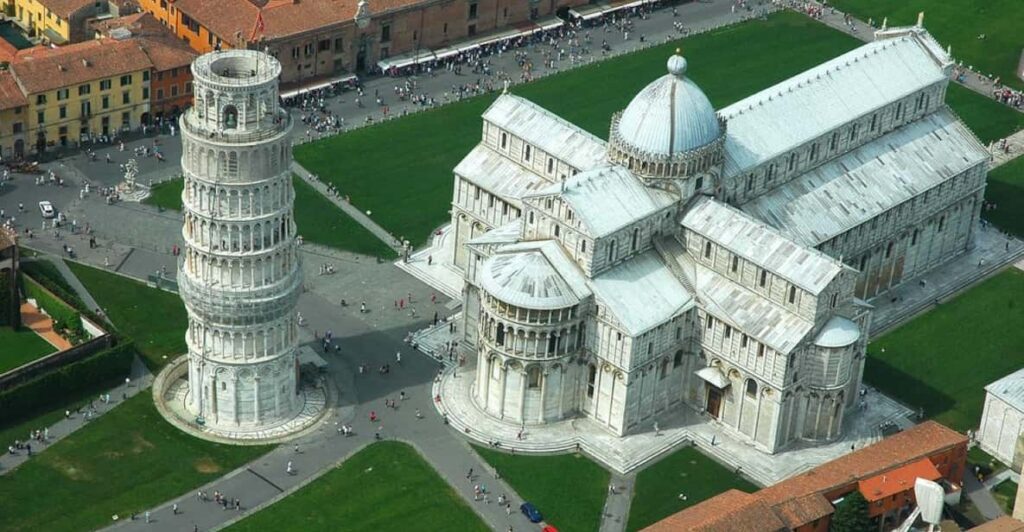
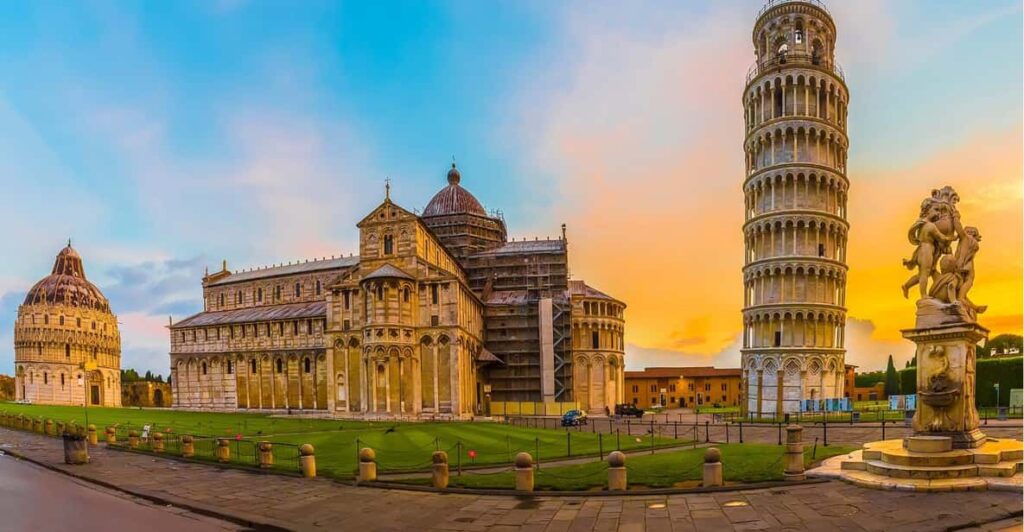
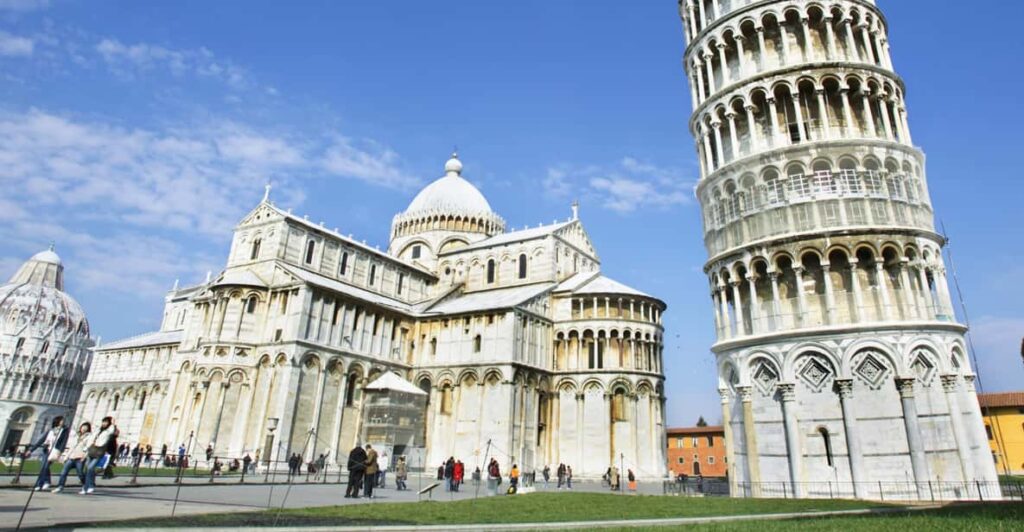
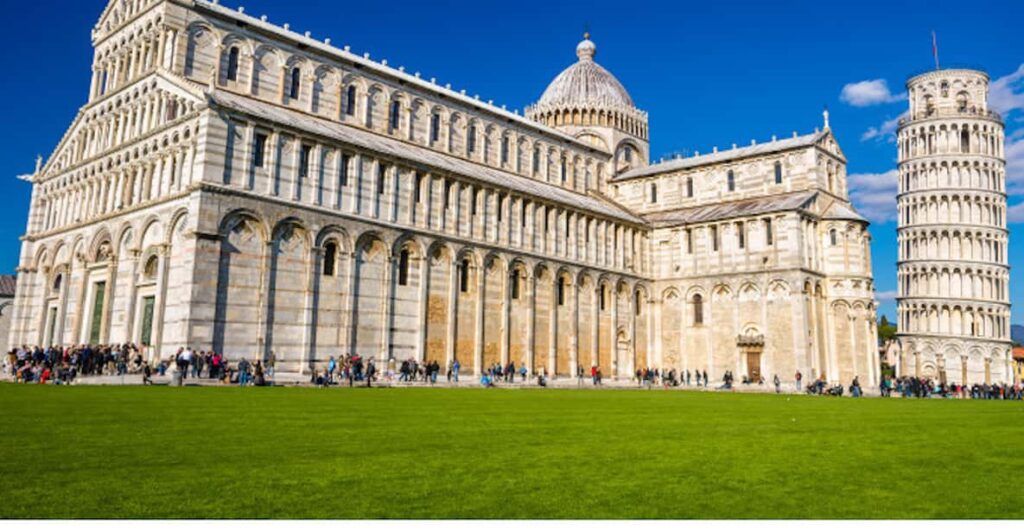
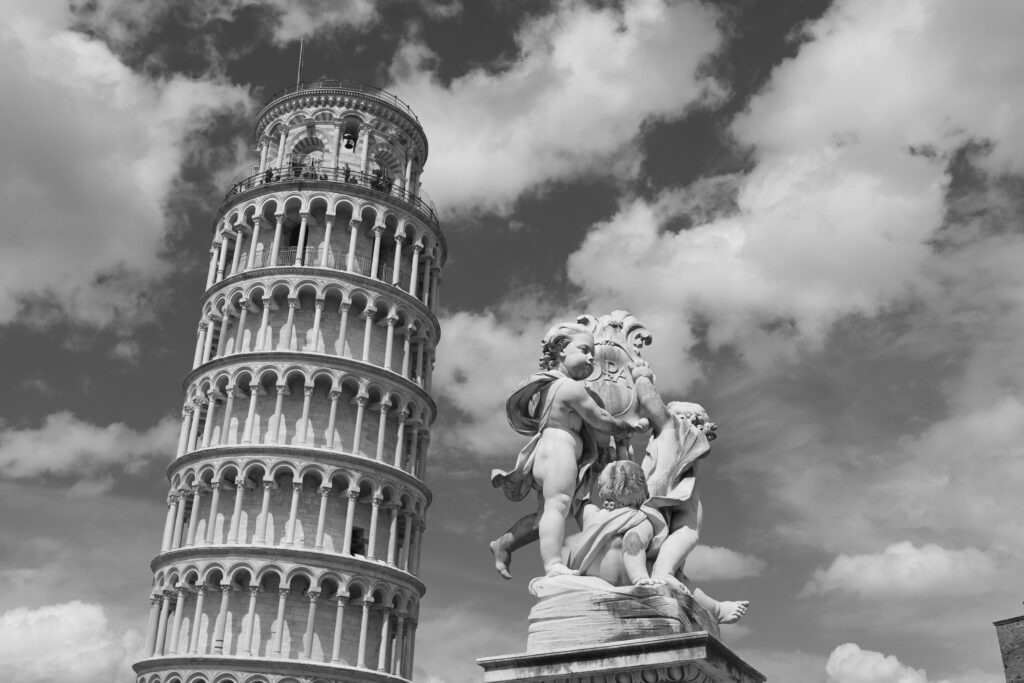
The Tower of Pisa is one of the most celebrated landmarks in the world and a shining symbol of Italian brilliance. Famous for its graceful lean and breathtaking Romanesque design, this extraordinary monument represents centuries of art, innovation, and determination. Rising above the historic city of Pisa in Tuscany, the tower captures the spirit of Italy—where beauty, creativity, and history come together in perfect harmony. For more than eight hundred years, the Tower of Pisa has fascinated travelers, historians, architects, and artists. What began as a simple bell tower for a cathedral evolved into a global icon admired by millions. Its story is one of ambition, challenge, and triumph, making it a true masterpiece of human ingenuity. A Monument Born from Ambition Construction of the Tower of Pisa began in 1173, during the height of Pisa’s power as a maritime republic. The city wanted a bell tower that would reflect its wealth, devotion, and architectural skill. Built as part of the grand religious complex in the Piazza dei Miracoli, the tower was designed to complement the Cathedral of Santa Maria Assunta and the Baptistery. The foundation, however, was laid on soft soil composed of clay and sand. This unstable base caused the tower to sink on one side after only a few years of construction. Builders were forced to halt the project for decades. When construction resumed, architects attempted to correct the lean by adjusting the upper floors, unknowingly creating the tower’s famous curved form. Architectural Excellence The Tower of Pisa stands approximately 56 meters tall and consists of eight levels, including the bell chamber. Each level is decorated with graceful columns and arches that reflect the Romanesque style of medieval Italy. The white marble exterior glows in the Tuscan sunlight, giving the tower a majestic presence. Inside, a spiral staircase of nearly 300 steps leads to the top. As visitors climb, they can feel the tilt beneath their feet, making the journey both thrilling and memorable. From the summit, panoramic views of Pisa, the Arno River, and the surrounding countryside reward every step. The Lean That Changed History The tower’s lean is what makes it world-famous. Over centuries, the tilt gradually increased, causing fears of collapse. By the late 20th century, the structure leaned at a dangerous angle. An international team of engineers launched a massive restoration project to stabilize the tower. Through careful soil removal, foundation reinforcement, and monitoring, they successfully reduced the tilt and preserved the monument for future generations. Today, the Tower of Pisa stands securely, still leaning proudly. A Center of Culture and Science The Tower of Pisa is closely linked to Galileo Galilei, who was born in the city. According to legend, he conducted gravity experiments from the tower. Whether true or not, the story reflects Pisa’s importance in the history of science and discovery. The Piazza dei Miracoli The tower stands alongside the Cathedral, Baptistery, and Camposanto in the Piazza dei Miracoli, a UNESCO World Heritage Site. Together, these monuments represent centuries of religious devotion, artistic mastery, and cultural pride. A Global Icon Millions of visitors travel to Pisa each year to see the tower. Its beauty, history, and unique design make it one of Italy’s greatest treasures. A Lasting Legacy The Tower of Pisa remains a powerful symbol of Italian brilliance. Standing tall while leaning, it continues to inspire the world as a timeless wonder. book now
The Tower of Pisa: A Symbol of Italian Brilliance Read More »