
The Tower of Pisa: A True Italian Treasure
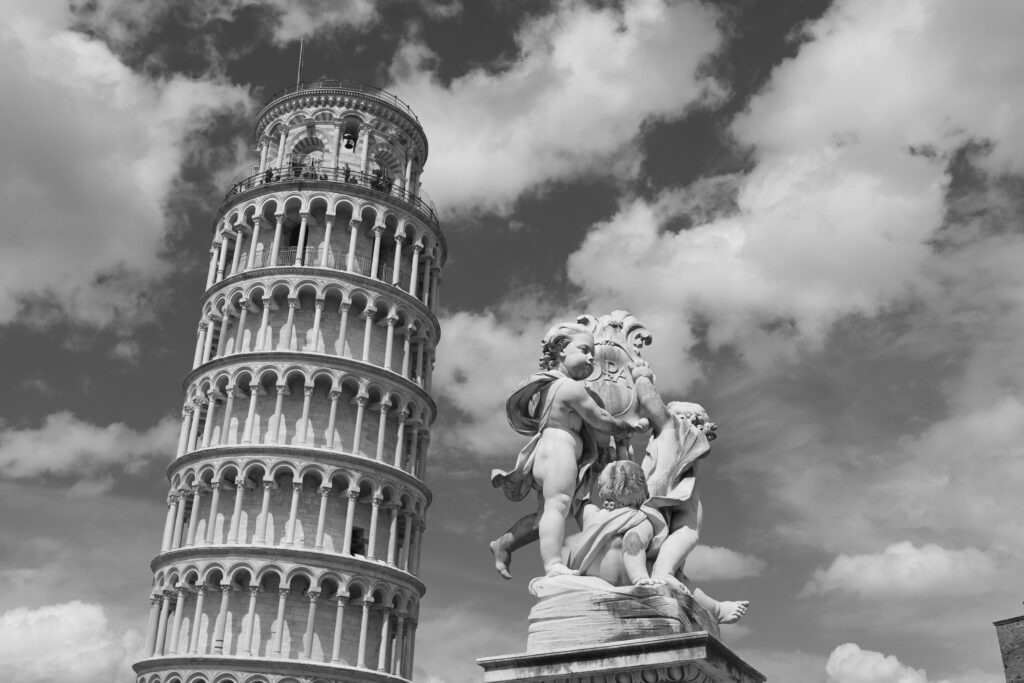
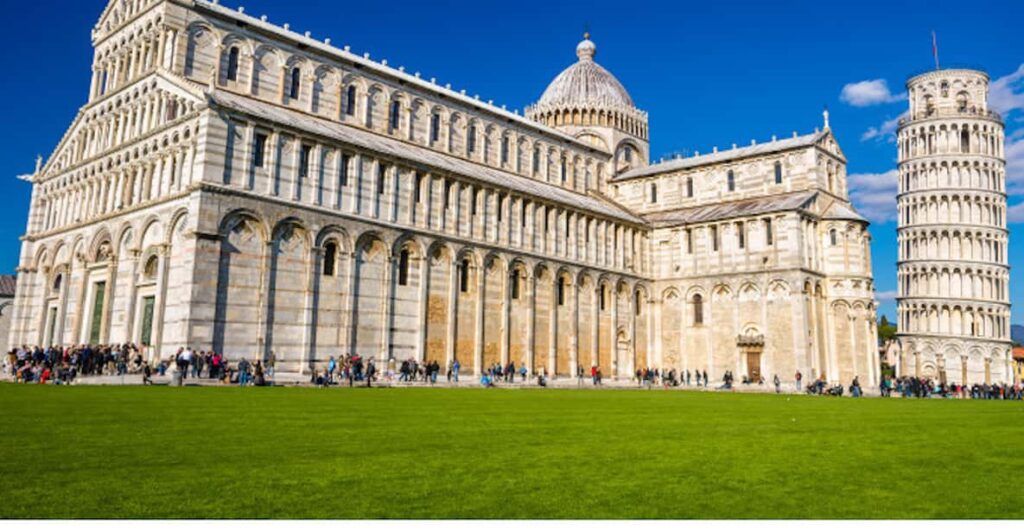
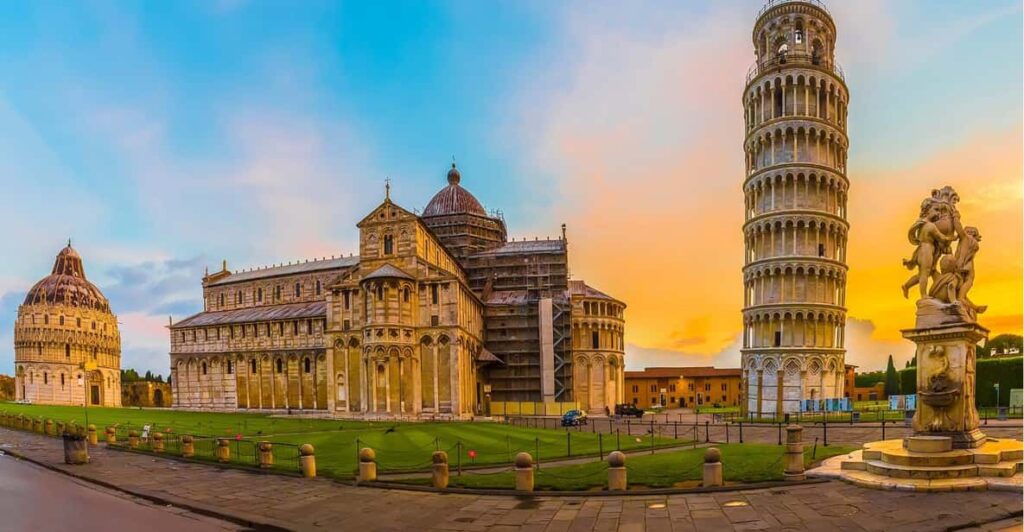
The Tower of Pisa is not just a famous monument—it is a story of survival written in stone and marble. For more than eight centuries, this iconic structure has stood in the heart of Pisa, Italy, leaning gracefully while defying gravity, time, and countless challenges. What began as a simple bell tower for a cathedral has become one of the world’s most admired landmarks. Its continued existence is a powerful reminder that even the greatest obstacles can be overcome through patience, innovation, and determination. From wars and natural disasters to engineering failures and political changes, the Tower of Pisa has endured it all. Each generation has faced the question: Can it be saved? And each time, the answer has been yes. A Monument Born in Ambition Construction of the Tower of Pisa began in 1173, during a time when Pisa was a wealthy and powerful maritime republic. The city wanted to showcase its success through magnificent architecture. The tower was designed as the bell tower for the Cathedral of Santa Maria Assunta, part of the beautiful religious complex now known as the Piazza dei Miracoli, or Square of Miracles. Built from white and gray marble, the tower followed the Romanesque style, featuring elegant arches, decorative columns, and detailed carvings. It was meant to stand tall and perfectly straight—a proud symbol of Pisa’s glory. The Unexpected Lean Just five years into construction, after the first three levels were completed, builders noticed something alarming: the tower was leaning. The ground beneath the foundation was too soft, made of clay, sand, and silt. The heavy marble structure began to sink on one side. Instead of abandoning the project, the builders paused construction. This delay, lasting nearly a century, allowed the soil to settle and may have prevented the tower from collapsing early in its life. When work resumed, architects tried to compensate for the tilt by building the upper levels slightly angled in the opposite direction. This created the tower’s unique curved shape. Centuries of Uncertainty Over the centuries, the lean continued to increase slowly. Earthquakes, storms, and changes in the surrounding soil added to the danger. By the 20th century, experts feared that the tower might fall. In 1990, the tower was closed to the public, and a massive international effort began to save it. Engineers used modern technology to study the structure and its foundation. They removed soil from beneath the higher side, added counterweights, and strengthened the base. These careful steps reduced the tilt and stabilized the tower. A Living Legend The Tower of Pisa is also linked to the famous scientist Galileo Galilei, who was born in Pisa. book now
The Tower of Pisa: A True Italian Treasure Read More »