The Tower of Pisa: An Icon That Never Falls
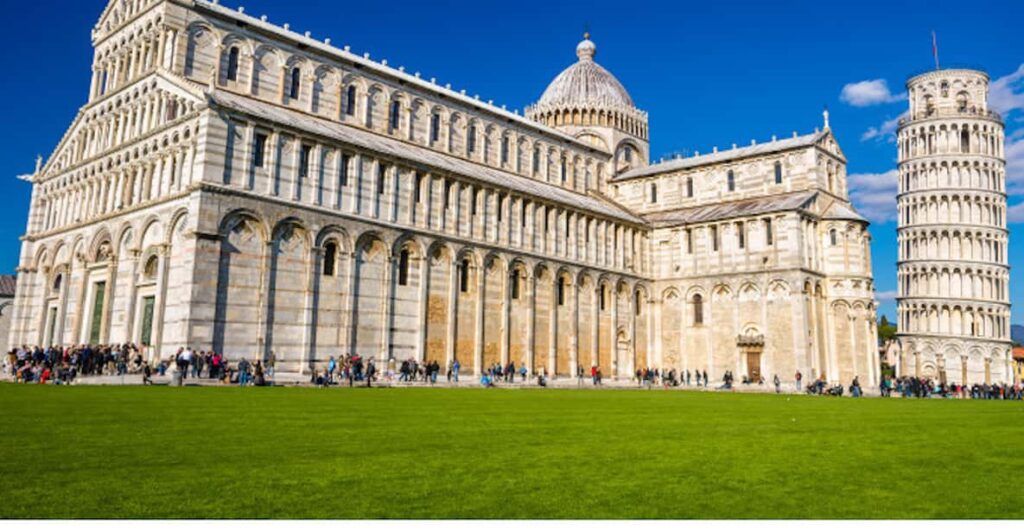
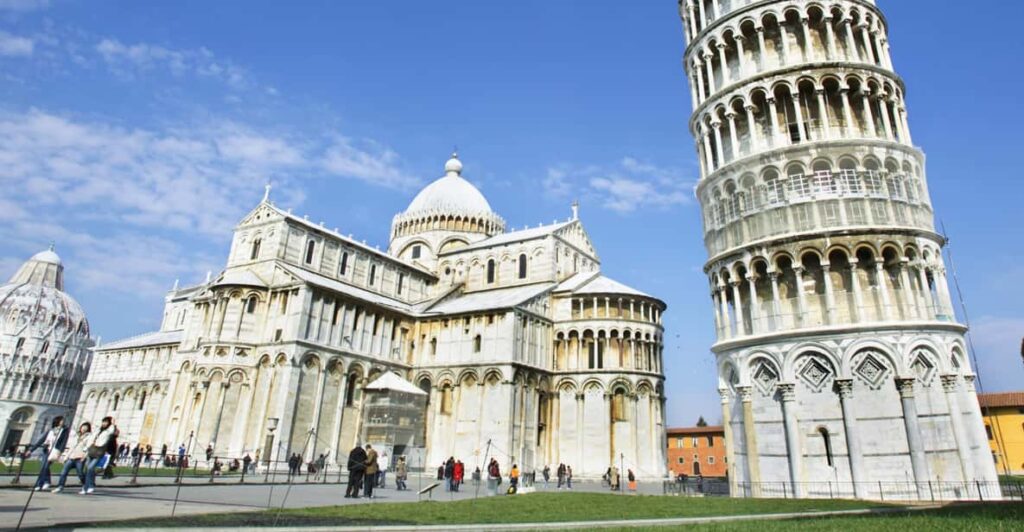
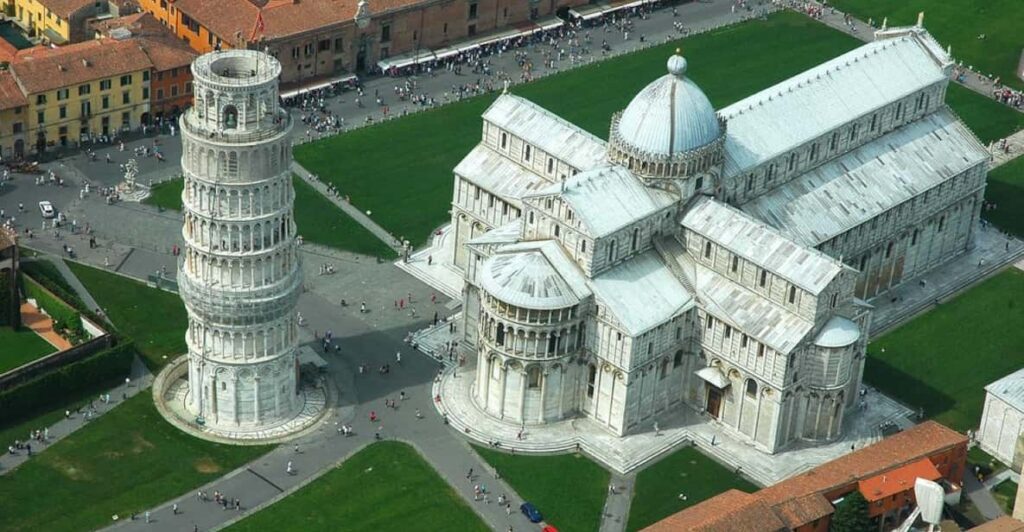
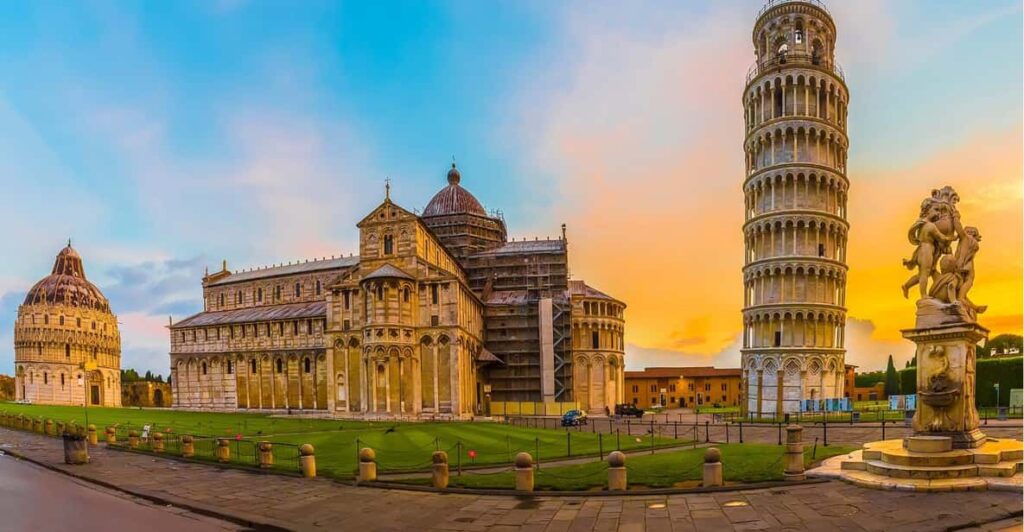
The Tower of Pisa is one of the world’s most remarkable landmarks—an icon that seems to defy gravity and time itself. Famous for its gentle lean and glowing white marble, this extraordinary structure has stood for more than eight centuries, capturing the imagination of travelers, historians, engineers, and artists alike. Rising in the heart of Pisa, Italy, the tower is far more than a bell tower. It is a powerful symbol of resilience, creativity, and human determination. Though it leans, it never falls—and that is what makes it legendary. A Monument Born from Ambition Construction of the Tower of Pisa began in 1173, during the height of Pisa’s power as a maritime republic. The city wanted to demonstrate its wealth, faith, and architectural brilliance by creating a grand bell tower for the Cathedral of Santa Maria Assunta, located in the Piazza dei Miracoli, or Square of Miracles. Along with the Baptistery and Camposanto, the tower forms one of the most beautiful religious complexes in Europe. The structure was designed in the Romanesque style, built from white and gray marble, and decorated with elegant arches and carved columns. It was meant to stand tall and perfectly straight, representing the strength and pride of Pisa. However, shortly after construction began, an unexpected challenge changed its destiny forever. The Lean That Created a Legend After only three levels were completed, the tower began to lean. The soft, unstable soil beneath its foundation—made up of clay, sand, and silt—could not support the heavy marble structure. One side began to sink, causing the tower to tilt. Construction was halted for nearly a century, allowing the ground to settle. When building resumed, architects attempted to correct the lean by making the upper levels slightly taller on one side. Instead of fixing the problem, this created the tower’s graceful curve. Over time, the lean became more pronounced, transforming a structural flaw into a global icon. A Masterpiece of Design The Tower of Pisa stands approximately 56 meters tall and consists of eight levels, including the bell chamber at the top. Each level is adorned with graceful arches and decorative columns that reflect the Romanesque style. The white marble exterior glows in the Tuscan sunlight, giving the tower a magical appearance. Inside, a spiral staircase with nearly 300 steps leads to the summit. As visitors climb, they can feel the gentle tilt beneath their feet, making the experience thrilling and unforgettable. At the top, panoramic views of Pisa, the Arno River, and the rolling Tuscan countryside await. Engineering That Saved a Wonder By the late 20th century, the tower’s lean had reached a dangerous level. In 1990, the tower was closed to the public for a major restoration project. Engineers from around the world worked for over a decade to stabilize the structure. They carefully removed soil from beneath the higher side, reinforced the foundation, and added counterweights. These efforts successfully reduced the tilt and secured the tower for future generations—proving that this icon would never fall. Legends and Legacy The Tower of Pisa is associated with Galileo Galilei, who was born in Pisa. According to legend, he dropped objects from the tower to test theories of gravity, adding to its historical mystique. A Timeless Symbol Today, the Tower of Pisa is a UNESCO World Heritage Site and one of the most visited landmarks in the world. As an icon that never falls, it reminds us that even imperfections can become symbols of strength, beauty, and inspiration. Book Now
The Tower of Pisa: An Icon That Never Falls Read More »