
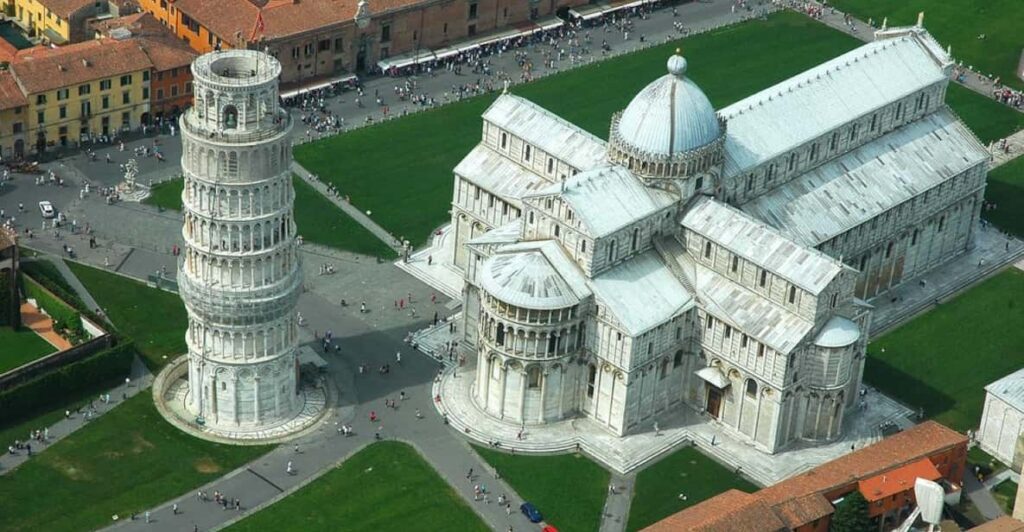
The Tower of Pisa is one of the most beloved landmarks in the world and a true dream destination for travelers. Rising gracefully in the heart of Tuscany, Italy, this famous structure is instantly recognizable for its elegant lean and shining white marble. What was once intended to be a simple bell tower has become a global icon of history, beauty, and resilience. For centuries, the Tower of Pisa has captured the imagination of people from every corner of the globe, inviting them to witness a wonder that blends art, science, and mystery.
Every year, millions of visitors journey to Pisa to experience this extraordinary monument. Some come for the iconic photographs, others for the deep history and engineering marvel behind the tilt, and many simply to stand before a structure that has defied gravity for over 800 years. No matter the reason, a visit to the Tower of Pisa is an unforgettable experience.
A Glorious Beginning
Construction of the Tower of Pisa began in 1173, during the height of Pisa’s power as a maritime republic. The city sought to display its wealth, devotion, and architectural excellence by building a magnificent bell tower beside the Cathedral of Santa Maria Assunta. Together with the Baptistery and Camposanto, the tower forms part of the Piazza dei Miracoli, or Square of Miracles, now a UNESCO World Heritage Site.
The tower was designed in the Romanesque style, using white and gray marble. It featured elegant arches, decorative columns, and intricate stone carvings. The original plan was for a tall, perfectly vertical structure that would rise proudly above the city. However, fate had other plans.
The Famous Lean
After only three levels were completed, the tower began to lean due to the soft and unstable soil beneath its foundation. The ground was made of clay, sand, and silt, which could not properly support the heavy marble structure. Construction was halted for nearly a century, allowing the soil to settle.
When building resumed, architects attempted to correct the tilt by adjusting the design, but instead created the tower’s signature curve. Over time, the lean became more pronounced, turning a construction flaw into a defining feature.
A Masterpiece of Design
The Tower of Pisa stands approximately 56 meters tall and consists of eight levels, including the bell chamber at the top. Each level is adorned with graceful arches and columns that create a sense of balance and harmony.
Inside, a spiral staircase with nearly 300 steps leads visitors to the summit. As you climb, you can feel the gentle tilt beneath your feet, making the journey exciting and memorable. At the top, panoramic views of Pisa, the Arno River, and the Tuscan countryside stretch out before you.
Engineering Triumph
By the late 20th century, the lean had reached a dangerous point, and the tower was at risk of collapse. Engineers from around the world worked together to save the monument. Between 1990 and 2001, a massive restoration project stabilized the tower by reinforcing its foundation and removing soil from beneath the higher side.
A Place of Legends
The tower is linked to Galileo Galilei, who was born in Pisa. According to legend, he conducted gravity experiments from the tower, adding to its mystery.
A Timeless Symbol
The Tower of Pisa remains a dream destination for travelers worldwide. Standing tall while leaning, it reminds us that even imperfections can create timeless beauty.