
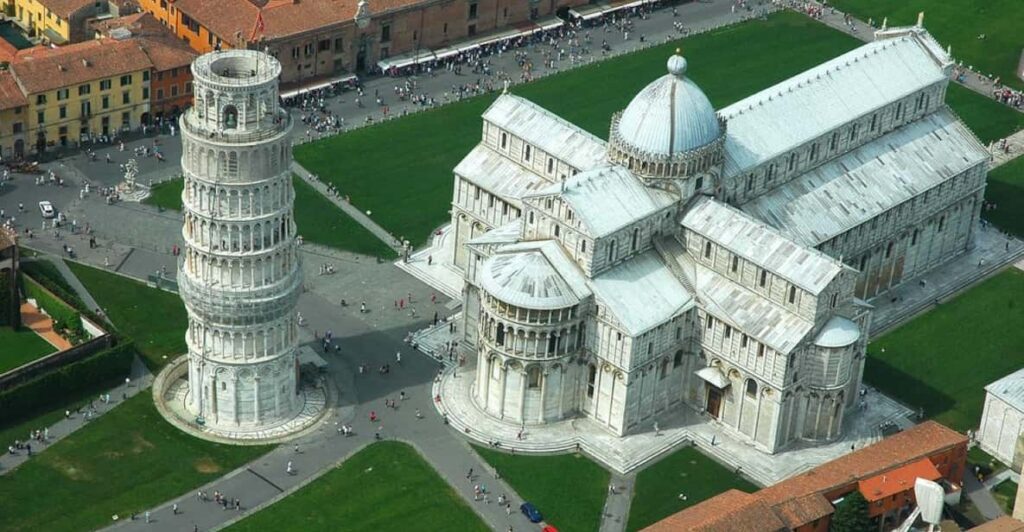
The Leaning Tower of Pisa is one of the most famous landmarks in the world, known for its dramatic tilt and unique beauty. For centuries, people feared that the tower might collapse, especially as its lean slowly increased over time. Today, however, millions of visitors safely climb the tower each year. This leads many to ask an important question: Is the Tower of Pisa safe to climb?
The answer is yes—thanks to modern engineering, careful monitoring, and strict safety rules, the tower is now considered stable and secure for visitors.
A History of Concern
Construction of the tower began in 1173 and lasted nearly 200 years. The lean started while it was still being built because the foundation was too shallow and the soil beneath it was soft. Over the centuries, the tilt gradually increased, and by the late 20th century, the tower leaned at a dangerous angle.
By the 1990s, experts feared that the structure could eventually collapse if no action was taken. The tower was closed to the public in 1990 for major stabilization work. This marked the beginning of one of the most important engineering rescue projects in history.
The Great Stabilization Project
From 1990 to 2001, a team of international engineers and scientists worked to save the tower. They carefully removed small amounts of soil from beneath the higher side of the tower, allowing it to settle more evenly. They also added counterweights and steel cables to temporarily hold the structure steady during the process.
This project successfully reduced the lean by over 40 centimeters and stabilized the foundation. After extensive testing and monitoring, the tower was reopened to the public in 2001.
Modern Safety Systems
Today, the Tower of Pisa is constantly monitored using advanced technology. Sensors inside the structure measure tiny movements, shifts, and vibrations. Engineers receive real-time data to ensure the tower remains stable.
The tower is now considered safe for at least 200–300 years if regular maintenance and monitoring continue. This makes it one of the most carefully observed historic structures in the world.
Strict Visitor Controls
To ensure safety, the number of people allowed inside the tower at one time is limited. Visitors must book timed tickets, and only small groups enter every 30 minutes. This prevents overcrowding and reduces stress on the structure.
Large bags are not allowed, children under 8 cannot climb, and visitors must follow all safety instructions.
Structural Strength
Despite its tilt, the tower’s cylindrical shape, thick stone walls, and strong marble columns distribute weight evenly. This design, combined with modern stabilization, makes the tower surprisingly resilient.
Why the Tower Still Leans
The lean is part of the tower’s identity. Engineers chose not to make it completely upright because doing so would damage its structure and cultural value. Instead, they focused on making the lean safe and stable.
A Safe and Unforgettable Experience
Today, millions of visitors climb the tower each year without incident. While the tilted stairs may feel unusual, the structure itself is secure.
Conclusion
The Tower of Pisa is no longer a danger—it is a carefully protected historic monument. Thanks to world-class engineering, strict safety rules, and constant monitoring, it is now one of the safest ancient towers in the world to climb. Visitors can enjoy the unique experience with confidence and peace of mind.
If you’d like, I can write the next topic:
“How the Tower of Pisa Is Monitored Today” or “Future of the Leaning Tower of Pisa.”