Travel Place

Leaning Tower and Cathedral Skip

Best Poses at the Tower of Pisa

The Leaning Tower of Pisa is not only one of the most famous landmarks in the world—it is also one of the most fun places to take creative photos. Because of its dramatic tilt, visitors can use clever angles and perspective tricks to create playful, artistic, and unforgettable pictures. From classic tourist poses to modern social media–style shots, the Tower of Pisa offers endless opportunities for creativity. This guide shares the best poses you can try at the Tower of Pisa, along with tips to help you capture perfect photos that you’ll treasure forever. 1. The Classic “Holding Up the Tower” This is the most popular and iconic pose. Stand at the right distance so it looks like your hands are supporting the tower.It’s simple, funny, and instantly recognizable. Tip: Keep your arms straight and align your palms with the tower’s edge. 2. The “Pushing It Over” Pose In this pose, you look like you’re pushing the tower and making it fall. Lean forward slightly and stretch out your arms for a dramatic effect. 3. The “Kicking the Tower” Pose Lift one leg and line it up with the base of the tower. It creates the illusion that you’re kicking the monument like a soccer ball. 4. The “Pinching the Tower” Pose Hold your fingers close together and align them with the tower so it looks tiny between them. This pose works great for close-up shots. 5. The “Drinking the Tower” Pose Pretend the tower is a giant straw or ice cream cone. Tilt your head back for a fun and silly look. 6. The “Hugging the Tower” Stand sideways and wrap your arms around the air. With the right angle, it looks like you’re hugging the tower. 7. The “Balancing on Your Hand” Hold your palm flat and adjust your distance so the tower appears to sit on your hand like a miniature model. 8. The “Pulling the Tower” Pretend you’re pulling the tower upright using invisible ropes. This adds movement and drama. 9. The “Leaning With the Tower” Match your body angle to the tower’s tilt. This creates a stylish, symmetrical look. 10. The “Shadow Play” Pose Use your shadow to interact with the tower—point at it, kick it, or make funny shapes. Photography Tips Conclusion The Leaning Tower of Pisa is more than a monument—it’s a stage for creativity. These poses help turn your visit into a fun and memorable experience. Whether you go classic or silly, your Pisa photos will always make people smile. If you’d like, I can also provide: book now

Best Poses at the Tower of Pisa Read More »

Timed Entrance to Leaning Tower Pisa

Funny Photos With the Leaning Tower of Pisa

The Leaning Tower of Pisa is not just one of the most famous landmarks in the world—it is also one of the most photographed and joked-about monuments ever. Thanks to its dramatic tilt, the tower has inspired millions of travelers to strike hilarious, creative, and sometimes ridiculous poses. From “holding up” the tower to pretending to push it over, tourists have turned this ancient structure into the world’s biggest comedy photo stage. This tradition has become a global travel trend. People of all ages, cultures, and countries visit Pisa not only to admire history but also to create funny photos that make friends and family laugh. Let’s explore why these photos are so popular, the most common poses, creative ideas, and tips for taking the perfect funny shot. Why Are Funny Pisa Photos So Popular? The Leaning Tower’s unusual shape makes it look like it’s falling over. This optical illusion allows visitors to play with perspective and create the impression that they are: These photos are funny because they look impossible, yet they feel playful and light-hearted. The contrast between a serious historical monument and silly tourist poses creates humor that people love to share on social media. The Classic Funny Poses 1. The “Holding Up the Tower” Pose This is the most famous one. You stand at just the right angle so it looks like your hands are stopping the tower from falling. It’s simple, timeless, and always funny. 2. The “Pushing It Over” Pose In this photo, you appear to push the tower like a falling domino. It’s dramatic and makes the tower look tiny. 3. The “Kicking the Tower” Pose By lifting your leg and aligning the angle, it looks like you are kicking the tower. It’s especially popular among younger travelers. 4. The “Drinking the Tower” Pose Some people pretend the tower is a giant straw or ice cream cone. It’s silly and creative. 5. The “Pinching the Tower” Pose With your fingers close together, it looks like you are squeezing the tower between them. Creative and Unique Photo Ideas Best Spots for Funny Photos The best place is the open lawn of the Piazza dei Miracoli, directly in front of the tower. Walk around, find an angle, and watch how others pose—it helps you understand the perspective trick. Tips for the Perfect Funny Pisa Photo Why These Photos Matter They create joyful memories and show that travel doesn’t always have to be serious. These photos turn a historic site into a place of laughter and connection. Conclusion The Leaning Tower of Pisa is more than a monument—it’s a global playground for creativity. Taking funny photos here is a tradition that brings smiles across the world. Whether you’re holding it, pushing it, or pretending to drink it, you become part of a fun travel culture that proves history and humor can exist together. If you’d like, I can: book now

Funny Photos With the Leaning Tower of Pisa Read More »

Pisa: 5 Attractions Ticket with Skip-the-Line & Audio Guide

What to See Near the Tower of Pisa

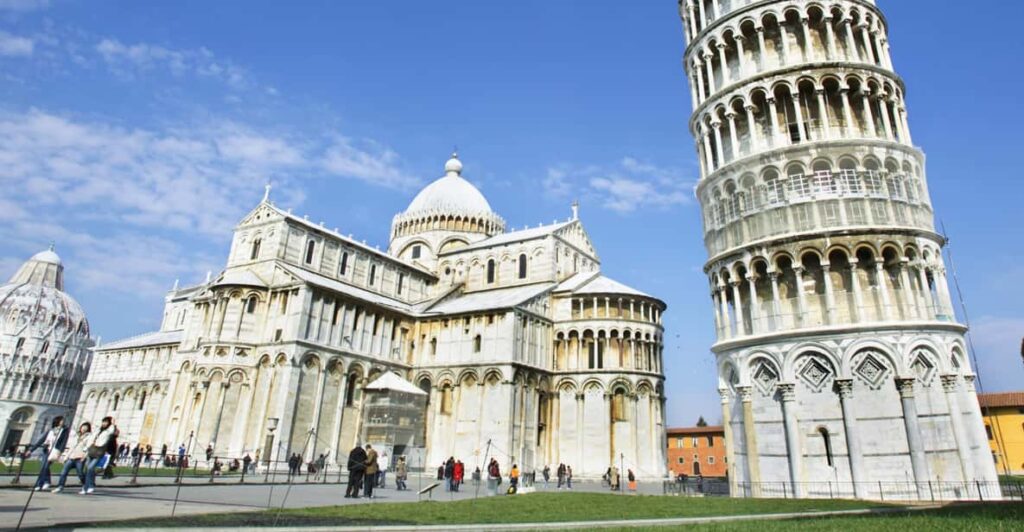
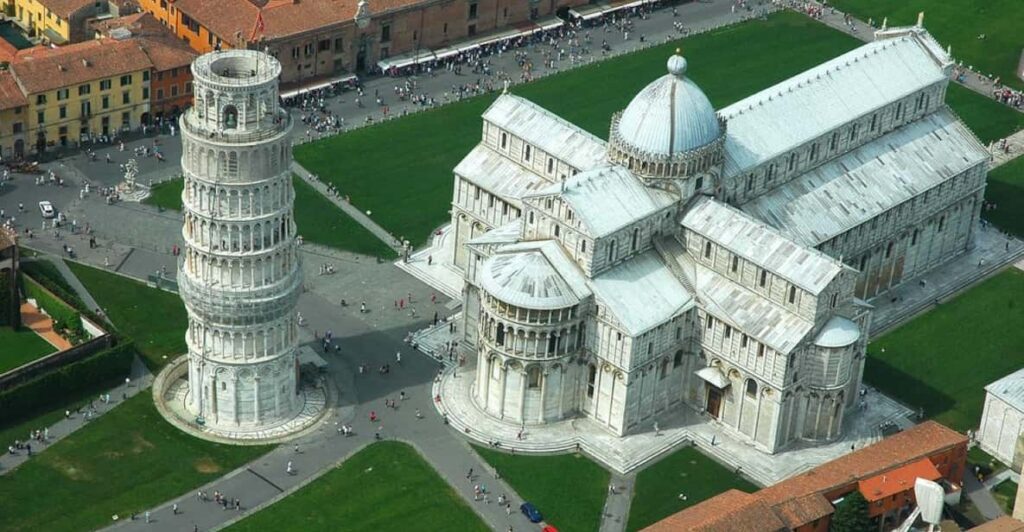
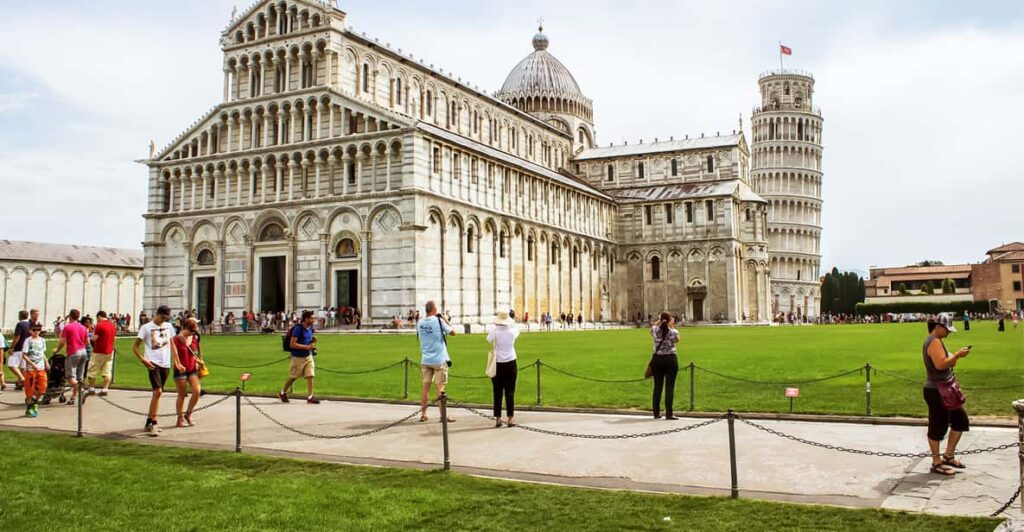
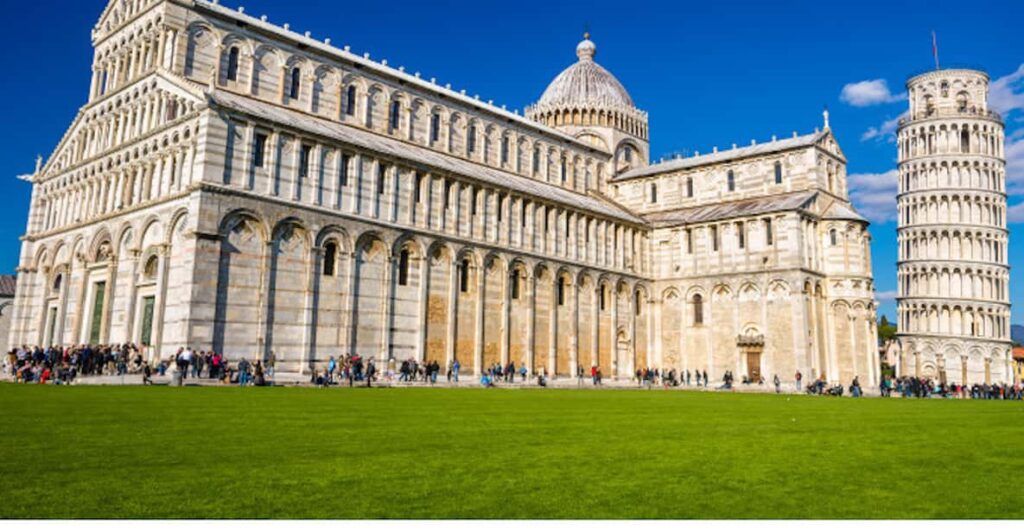
The Leaning Tower of Pisa is the main reason millions of travelers visit the city each year, but many are surprised to discover that the area around the tower is filled with remarkable historical, artistic, and cultural treasures. The tower stands in the famous Piazza dei Miracoli (Square of Miracles), a UNESCO World Heritage Site that contains some of the finest examples of medieval architecture in Europe. Beyond the square, Pisa’s charming streets, riverside views, and hidden landmarks offer visitors much more than just the famous leaning monument. This guide explores the top places to see near the Tower of Pisa, helping you make the most of your visit. 1. Pisa Cathedral (Duomo di Pisa) Right next to the tower is the magnificent Pisa Cathedral, a masterpiece of Romanesque architecture. Built in the 11th century, the cathedral features a grand marble façade, bronze doors, and beautifully carved columns. Inside, you will find: The cathedral is free to enter, but modest dress is required. Its size and elegance reflect Pisa’s importance as a powerful maritime republic during the Middle Ages. 2. Baptistery of St. John Located opposite the cathedral, the Baptistery of Pisa is the largest baptistery in Italy. Its circular shape, domed roof, and mix of Romanesque and Gothic styles make it truly unique. The baptistery is famous for its incredible acoustics. Staff often demonstrate this by singing a few notes, creating an echo that fills the space. Inside, you can admire the beautiful baptismal font and detailed sculptures. 3. Camposanto Monumentale The Camposanto, or monumental cemetery, stands along the edge of the square. Legend says that the soil inside was brought from the Holy Land during the Crusades. The long marble corridors are lined with ancient tombs, statues, and restored frescoes. The quiet atmosphere provides a peaceful contrast to the busy square outside. 4. Opera del Duomo Museum This museum houses many original artworks and sculptures from the cathedral and tower. Here, you can see statues, religious paintings, and architectural models that explain the history of the entire complex. The museum also offers great views of the tower from its upper floor. 5. Sinopie Museum Near the Camposanto is the Sinopie Museum, which displays the original sketches used to create the cemetery’s frescoes. These drawings give insight into medieval art techniques and restoration efforts. 6. Piazza dei Cavalieri A 10-minute walk from the tower brings you to Piazza dei Cavalieri, once the political center of Pisa. The square features the Palazzo della Carovana, designed by Giorgio Vasari, and statues of historic figures. Today, it is home to the prestigious Scuola Normale Superiore. 7. Borgo Stretto This charming street is filled with cafés, shops, and historic buildings. It’s a great place to relax, enjoy gelato, and experience local life. 8. Arno River and Lungarni Walk to the Arno River and enjoy scenic views of Pisa’s bridges and riverside buildings. The Lungarni streets are perfect for evening strolls and photos. 9. San Matteo National Museum This museum displays medieval and Renaissance art, including sculptures, paintings, and manuscripts. Conclusion The area around the Tower of Pisa is rich in history and beauty. From grand cathedrals and peaceful cemeteries to lively streets and riverside views, there is so much to explore. Visiting these nearby attractions will turn your trip into a complete cultural experience. If you’d like, I can write: book now

What to See Near the Tower of Pisa Read More »

Leaning Tower and Cathedral Skip

How to Reach the Tower of Pisa from Florence

Florence and Pisa are two of Italy’s most famous cities, and many travelers choose to visit the Leaning Tower of Pisa as a day trip from Florence. The distance between the two cities is short, the transport connections are excellent, and the journey is simple even for first-time visitors. Whether you prefer traveling by train, bus, car, or guided tour, there are several convenient ways to reach Pisa from Florence. This guide explains all the options so you can choose the best one for your travel style and budget. Distance Between Florence and Pisa Florence and Pisa are about 85 kilometers (53 miles) apart. The journey usually takes between 50 minutes and 1.5 hours, depending on the mode of transport you choose. Because of the short distance, Pisa is one of the most popular day trips from Florence. 1. By Train – The Easiest and Most Popular Option Traveling by train is the fastest, cheapest, and most convenient way to reach Pisa from Florence. Where to Start You will depart from Firenze Santa Maria Novella (SMN), Florence’s main train station. Where to Arrive Most trains go to Pisa Centrale, the main station in Pisa. From there, the Leaning Tower of Pisa is about a 20-minute walk or a short bus ride. Train Types Travel Time Ticket Price Tips 2. By Bus – A Budget-Friendly Option Several companies run bus services between Florence and Pisa. This option is cheaper but usually slower than the train. Departure Points in Florence Buses often leave from Santa Maria Novella or Florence bus stations near the city center. Arrival in Pisa Buses usually stop near the main train station or close to the Piazza dei Miracoli. Travel Time Ticket Price Advantages Disadvantages 3. By Car – Flexible and Scenic If you prefer flexibility, renting a car is another way to reach Pisa from Florence. Route Parking There are paid parking areas near the Piazza dei Miracoli. Avoid restricted traffic zones (ZTL) in Pisa. Pros Cons 4. By Guided Tour – Stress-Free and Informative Many travelers choose guided day tours from Florence to Pisa. These tours often include transportation, a guide, and sometimes entry tickets. What’s Included Duration Cost Best For 5. Walking from Pisa Centrale to the Tower Once you arrive at Pisa Centrale, reaching the Leaning Tower is easy: Walking is popular because it takes you through charming streets and local shops. 6. Best Time to Travel 7. Suggested Day Trip Itinerary Conclusion Reaching the Tower of Pisa from Florence is simple and convenient. The train is the fastest and easiest option, the bus is budget-friendly, the car offers flexibility, and guided tours provide comfort and knowledge. No matter which option you choose, the journey is short and scenic, making Pisa the perfect day trip from Florence. If you’d like, I can write: book now

How to Reach the Tower of Pisa from Florence Read More »

Pisa & Lucca Day Tour

Tower of Pisa Travel Guide

The Leaning Tower of Pisa is one of the most famous landmarks in the world and a must-visit destination in Italy. Located in the historic city of Pisa, Tuscany, this iconic structure attracts millions of visitors every year. More than just a tilted tower, the site is part of a beautiful complex filled with history, art, and culture. This travel guide will help you plan your visit, from getting there and buying tickets to exploring the surrounding attractions and enjoying your time in Pisa. About the Tower of Pisa The Leaning Tower of Pisa is a bell tower built in the 12th century. Construction began in 1173 and lasted nearly 200 years. The famous lean started during construction because the foundation was built on soft, unstable soil. Instead of collapsing, the tower gradually tilted, creating the unique structure we see today. The tower stands about 56 meters (183 feet) tall and has eight levels, including the bell chamber at the top. Today, it is carefully stabilized and safe for visitors to climb. Where Is the Tower Located? The tower is located in the Piazza dei Miracoli (Square of Miracles) in Pisa, Italy. This square is a UNESCO World Heritage Site and also includes: Together, these monuments form one of the most beautiful medieval religious complexes in Europe. How to Get There By Train Pisa is well connected to major Italian cities. From Florence, the train takes about one hour. From Rome, it takes around three hours. The main station, Pisa Centrale, is about a 20-minute walk from the tower. By Air Pisa has its own airport, Galileo Galilei International Airport, located just a few kilometers from the city center. A shuttle train (Pisa Mover) connects the airport to the main station. By Car If driving, park near the city center and walk to the Piazza dei Miracoli. Avoid restricted traffic zones. Tickets and Entry Viewing the tower from outside is free, but climbing the tower requires a ticket. Tickets are timed and limited, so book online in advance. Children under 8 are not allowed to climb. Climbing the Tower The tower has nearly 300 spiral steps. The climb takes about 15 minutes, and the top offers stunning views of Pisa and the Tuscan countryside. The stairs are narrow and slanted, so wear comfortable shoes. Best Time to Visit Nearby Attractions Food and Shopping Try local dishes like pasta with truffles, seafood, and gelato. Souvenir shops near the tower sell postcards, mini towers, and local crafts. Travel Tips Conclusion The Tower of Pisa is more than a leaning monument—it is a symbol of history, art, and engineering. With proper planning, your visit will be smooth, memorable, and truly special. If you’d like, I can make this into a student essay, short blog version, or presentation slides. book now

Tower of Pisa Travel Guide Read More »

Leaning Tower & Cathedral Skip-the-Line Entry Ticket

Is the Tower of Pisa Safe to Climb?

The Leaning Tower of Pisa is one of the most famous landmarks in the world, known for its dramatic tilt and unique beauty. For centuries, people feared that the tower might collapse, especially as its lean slowly increased over time. Today, however, millions of visitors safely climb the tower each year. This leads many to ask an important question: Is the Tower of Pisa safe to climb?The answer is yes—thanks to modern engineering, careful monitoring, and strict safety rules, the tower is now considered stable and secure for visitors. A History of Concern Construction of the tower began in 1173 and lasted nearly 200 years. The lean started while it was still being built because the foundation was too shallow and the soil beneath it was soft. Over the centuries, the tilt gradually increased, and by the late 20th century, the tower leaned at a dangerous angle. By the 1990s, experts feared that the structure could eventually collapse if no action was taken. The tower was closed to the public in 1990 for major stabilization work. This marked the beginning of one of the most important engineering rescue projects in history. The Great Stabilization Project From 1990 to 2001, a team of international engineers and scientists worked to save the tower. They carefully removed small amounts of soil from beneath the higher side of the tower, allowing it to settle more evenly. They also added counterweights and steel cables to temporarily hold the structure steady during the process. This project successfully reduced the lean by over 40 centimeters and stabilized the foundation. After extensive testing and monitoring, the tower was reopened to the public in 2001. Modern Safety Systems Today, the Tower of Pisa is constantly monitored using advanced technology. Sensors inside the structure measure tiny movements, shifts, and vibrations. Engineers receive real-time data to ensure the tower remains stable. The tower is now considered safe for at least 200–300 years if regular maintenance and monitoring continue. This makes it one of the most carefully observed historic structures in the world. Strict Visitor Controls To ensure safety, the number of people allowed inside the tower at one time is limited. Visitors must book timed tickets, and only small groups enter every 30 minutes. This prevents overcrowding and reduces stress on the structure. Large bags are not allowed, children under 8 cannot climb, and visitors must follow all safety instructions. Structural Strength Despite its tilt, the tower’s cylindrical shape, thick stone walls, and strong marble columns distribute weight evenly. This design, combined with modern stabilization, makes the tower surprisingly resilient. Why the Tower Still Leans The lean is part of the tower’s identity. Engineers chose not to make it completely upright because doing so would damage its structure and cultural value. Instead, they focused on making the lean safe and stable. A Safe and Unforgettable Experience Today, millions of visitors climb the tower each year without incident. While the tilted stairs may feel unusual, the structure itself is secure. Conclusion The Tower of Pisa is no longer a danger—it is a carefully protected historic monument. Thanks to world-class engineering, strict safety rules, and constant monitoring, it is now one of the safest ancient towers in the world to climb. Visitors can enjoy the unique experience with confidence and peace of mind. If you’d like, I can write the next topic:“How the Tower of Pisa Is Monitored Today” or “Future of the Leaning Tower of Pisa.” book now

Is the Tower of Pisa Safe to Climb? Read More »

towerofpisa

How to Climb the Tower of Pisa

How to Climb the Tower of Pisa The Leaning Tower of Pisa is one of the most recognizable monuments in the world. Standing in the beautiful Piazza dei Miracoli in Pisa, Italy, the tower attracts millions of visitors each year. While seeing the tower from the outside is impressive, climbing to the top is a truly unforgettable experience. The narrow, sloping staircase, the slight tilt under your feet, and the breathtaking views from the top make this one of the most unique climbs in the world. This guide explains everything you need to know about how to climb the Tower of Pisa—from planning your visit and buying tickets to safety tips and what to expect at the top. 1. Book Your Ticket in Advance Climbing the Tower of Pisa requires a timed-entry ticket. The number of visitors allowed inside at one time is strictly limited to protect the structure, so tickets often sell out quickly—especially in peak seasons like spring and summer. You can purchase tickets online through the official website or authorized ticket sellers. When booking, you will choose a specific time slot, usually in 30-minute intervals. It is very important to arrive on time because late arrivals may not be allowed to enter. 2. Arrive Early at the Piazza dei Miracoli The tower is located in the Piazza dei Miracoli, along with the cathedral, baptistery, and cemetery. Try to arrive at least 30 minutes before your scheduled climb. This gives you time to pass through security, store your belongings, and enjoy the square. The piazza can be very busy, especially during mid-day. Early morning or late afternoon visits are usually calmer and cooler, making the climb more comfortable. 3. Store Bags and Pass Security Large bags, backpacks, and purses are not allowed inside the tower. Before your climb, you must leave them in the free locker area near the entrance. Security staff will check tickets and ensure visitors meet the safety requirements. There is also a short security screening, similar to what you might experience at a museum or airport. 4. Prepare for the Climb The tower has almost 300 marble steps arranged in a tight spiral. There is no elevator, so you must climb on foot. Wear comfortable shoes with good grip, as the steps can be slippery and uneven. The tower’s lean means you will feel slightly off balance, which adds to the unique experience. Children under 8 years old are not allowed to climb for safety reasons, and children under 18 must be accompanied by an adult. 5. Start the Ascent Once your group is allowed inside, you will begin climbing the narrow spiral staircase. The walls curve inward, and the steps feel tilted because of the tower’s famous lean. As you climb, small windows offer brief glimpses of the square below. The higher you go, the more noticeable the tilt feels. Many visitors say it feels like walking on a gentle slope even though you are going upward. Take your time, hold the handrail, and pause if needed. The climb usually takes 10–15 minutes. 6. Enjoy the View at the Top At the top of the tower, you will reach the bell chamber. Here, you can walk around and enjoy a 360-degree view of Pisa and the surrounding Tuscan countryside. From this height, you can see: The breeze, the sunlight on the marble, and the sight of the leaning tower from the inside create an unforgettable moment. Most visitors spend about 10–15 minutes at the top before descending. 7. Descend Carefully The way down uses a separate staircase, also narrow and slanted. Take care when walking down, as the curved steps can make you feel dizzy. Holding the railing and stepping slowly helps maintain balance. Once you exit, collect your belongings from the lockers and step back into the piazza. 8. Safety Rules and Restrictions To protect visitors and the tower, there are several rules: These measures ensure that the tower remains safe and stable for future generations. 9. Best Time to Climb The best times to climb are: Spring and autumn are ideal seasons, as summer can be very hot and crowded. 10. Make the Most of Your Visit After your climb, explore the rest of the Piazza dei Miracoli. Visit the cathedral, baptistery, and museum to learn more about the history of Pisa. Take photos, relax on the grass, and enjoy the beauty of this historic square. Conclusion Climbing the Tower of Pisa is a once-in-a-lifetime experience. From the slanted steps and medieval architecture to the breathtaking view from the top, every moment feels special. With proper planning, comfortable shoes, and a little patience, you can safely and enjoyably reach the top of one of the world’s most famous monuments. If you’d like, I can now write: book now

How to Climb the Tower of Pisa Read More »

Tower of pisa history

Tower of Pisa Tickets Price Guide

Visiting the Leaning Tower of Pisa in Pisa, Italy, is a highlight for many travellers. While simply admiring the tower from the outside is free, climbing it and accessing the interior requires a timed-entry ticket. Over the years the pricing has changed and there are several options depending on what you want to see and how you want to experience the visit. 1. Standard Ticket Prices Leaning Tower of Pisa Only The basic ticket that allows you to climb the Tower of Pisa (with a scheduled time slot) typically costs: This ticket generally also includes entry to the Pisa Cathedral beside the tower — but specifics can vary slightly depending on the ticket seller or booking platform. Reduced or Free Tickets Discounted prices are sometimes offered for certain visitors: ⚠️ Always check the current policy on the official site when booking because many platforms now list a flat price (e.g., €20) without reductions. 2. Combination Tickets and Extras If you’re interested in exploring more than the tower alone, combined tickets provide good value: Tower + Cathedral + Other Sites Many sellers offer combo tickets for the main monuments in the Piazza dei Miracoli: Combo tickets are a good choice if you want a more complete cultural experience of Pisa’s medieval structures without buying separate tickets for each building. 3. Guided Tours and Premium Experiences Standard climb tickets give you access with timed entry and no guide. If you want a deeper experience, there are numerous guided tour options: Guided Tower & Cathedral Tours These tours often include skip-the-line benefits and commentary from a local expert, which can enrich the visit if you’re interested in history and architecture. Audio Guide and Other Add-Ons Audio guides let you explore at your own pace while learning about the tower and its context. 4. Ticket Booking Fees and Options Booking Fees Booking through the official ticket office or authorized platforms generally involves a small booking fee — usually €2–€3 per ticket — on top of the face price. Timed Entry All tickets to climb the tower are timed and issued in half-hour slots. You must arrive at least 15 minutes before your scheduled time. If you’re late, you might lose entry with no refund. Online Booking vs On-Site 5. Tips for Saving Money Here are some useful ways to manage costs: Go Off-Season Visiting outside peak travel months (like autumn or winter) can help you avoid high demand and sometimes lower service charges or better availability. Skip the Tower Climb If your primary interest is just seeing the Tower, you can walk around the Piazza dei Miracoli and view the exterior for free. Climbing the stairs and interior access is the part that requires payment. Choose Combo Tickets If you’re planning to see other monuments, a combination ticket provides better value than purchasing separate tickets for each site. Group Discounts Large groups (e.g., schools or tours) may be eligible for special rates; check in advance if you’re visiting with many people. 6. Practical Considerations Before You Visit Bring ID If purchasing discounted tickets or free admission (e.g., disability access), bring photographic ID and documentation as required. Restrictions Security and Lockers Security checks are conducted before entry. Some sites provide lockers for bag storage during your visit. 7. Why Ticket Prices Matter Ticket prices reflect several factors: Remember that ticket costs are part of a broader service that includes safety, preservation, and visitor management. 8. Final Summary: Typical Price Ranges Here’s a quick reference for 2025-style prices (may vary by platform or season): Ticket Type Approx. Price Range Standard Tower Entry €20 Tower + Cathedral Combo €25–€29 Tower + Full Piazza Monuments €27–€34 Guided Tours €57–€81+ Entry with Audio Guide €29.48+ These rates are representative based on official guidance and popular booking platforms. Always check current pricing before booking because rates and included services can vary by provider. Conclusion The tickets for the Leaning Tower of Pisa vary widely depending on what experience you want — from basic tower climbs to full cultural tours with multiple monuments and guides. Standard entry prices hover around €20 for the tower climb, while combo tickets, guided tours, and extras like audio guides add to the cost. Booking online well in advance and choosing tickets that match your interests can save both money and time — and make your visit to one of Italy’s most iconic landmarks a smooth and memorable experience. If you’d like, I can also create a month-by-month cost forecast (e.g., summer vs winter pricing) or a step-by-step booking walkthrough — just let me know! book now

Tower of Pisa Tickets Price Guide Read More »

Leaning Tower & Cathedral Skip-the-Line Entry Ticket

Best Time to Visit the Leaning Tower of Pisa

The Leaning Tower of Pisa is an iconic symbol of Italy, drawing millions of visitors every year. While it’s a must-see attraction, when you go can make a big difference in how enjoyable the experience is. From weather and crowds to photography and local events, understanding the best time to visit helps you plan the perfect trip. 1. Seasons and Overall Timing Spring (April – June): Ideal Weather and Manageable Crowds Spring is widely considered one of the best times of year to visit the Leaning Tower. During April, May, and early June: This combination of beautiful weather and smaller crowds creates an ideal balance for sightseeing and climbing the tower. Summer (June – August): Peak Tourism and Hot Weather Summer is the busiest and hottest season in Pisa: If you travel in summer, plan to visit very early in the day (right when the tower opens) or in the late afternoon or early evening to avoid the hottest, most crowded hours. Autumn (September – October): A Quiet Shoulder Season Early autumn is another excellent time to visit: This “shoulder season” is often recommended by local travel guides as the best period for combining good weather, fewer crowds, and cultural activity. Winter (November – March): Least Crowds, Cooler Weather Visiting Pisa in winter can be rewarding if you prefer tranquility: Keep in mind that some nearby attractions might have shorter opening hours in winter, so plan accordingly. 2. Days of the Week and Time of Day In addition to choosing the right season, time of day and the day of the week can significantly affect your experience. Weekdays vs Weekends Early Morning Visits One of the most consistent tips from travel guides is to arrive just before opening, usually around 8:30 AM–9:00 AM. Late Afternoon and Golden Hour Another excellent time slot is late afternoon to evening: 3. Weather and Comfort Considerations Heat and Sunshine in Peak Summer Summer can be beautiful — but also hot and intense. Temperatures above 30 °C and direct sun on the marble plaza can make walking and climbing uncomfortable. Unpredictable Autumn and Winter Weather In autumn and winter, weather can vary: Despite cooler temperatures, these seasons often offer clear skies and striking views from the tower’s summit. 4. Local Events and Special Days Sometimes local events can affect crowds and your overall experience: Planning your visit around local calendars can enrich your trip or help you avoid peak crowd times. 5. Practical Tips for Planning Book Tickets in Advance No matter the season, book your tower entry online in advance. Timed entry slots fill quickly — especially in spring, summer, and autumn. Combine Your Visit with the Cathedral and Baptistery The tower is part of the larger Piazza dei Miracoli complex. Combining tickets for multiple monuments adds context and value to your visit. Balance Sightseeing Time Although the tower is the highlight, Pisa’s other attractions — such as the cathedral and baptistery — deserve time too. Allocating at least half a day helps you appreciate the whole area. Conclusion The best time to visit the Leaning Tower of Pisa depends on what you value most: mild weather, smaller crowds, or a relaxed atmosphere.In general: Adding weekday and early-day strategies enhances your experience any time of year. With the right timing, you can enjoy the Leaning Tower — and the entire Piazza dei Miracoli — to the fullest. Would you like this broken down into a month-by-month guide with specific weather and crowd expectations? book now

Best Time to Visit the Leaning Tower of Pisa Read More »