
How to Climb the Tower of Pisa
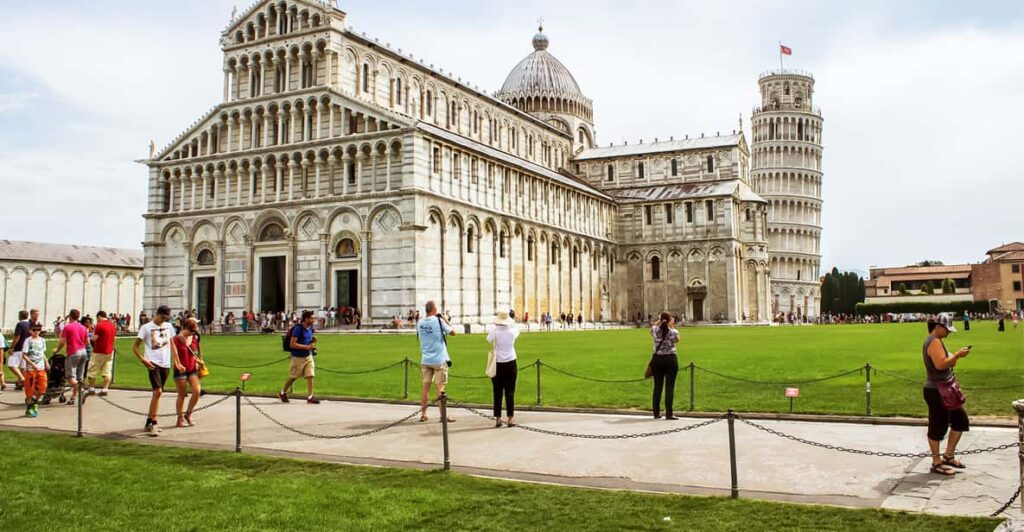
The Leaning Tower of Pisa is one of the most recognizable monuments in the world. Standing in the beautiful Piazza dei Miracoli in Pisa, Italy, the tower attracts millions of visitors each year. While seeing the tower from the outside is impressive, climbing to the top is a truly unforgettable experience. The narrow, sloping staircase, the slight tilt under your feet, and the breathtaking views from the top make this one of the most unique climbs in the world.
This guide explains everything you need to know about how to climb the Tower of Pisa—from planning your visit and buying tickets to safety tips and what to expect at the top.
1. Book Your Ticket in Advance
Climbing the Tower of Pisa requires a timed-entry ticket. The number of visitors allowed inside at one time is strictly limited to protect the structure, so tickets often sell out quickly—especially in peak seasons like spring and summer.
You can purchase tickets online through the official website or authorized ticket sellers. When booking, you will choose a specific time slot, usually in 30-minute intervals. It is very important to arrive on time because late arrivals may not be allowed to enter.
2. Arrive Early at the Piazza dei Miracoli
The tower is located in the Piazza dei Miracoli, along with the cathedral, baptistery, and cemetery. Try to arrive at least 30 minutes before your scheduled climb. This gives you time to pass through security, store your belongings, and enjoy the square.
The piazza can be very busy, especially during mid-day. Early morning or late afternoon visits are usually calmer and cooler, making the climb more comfortable.
3. Store Bags and Pass Security
Large bags, backpacks, and purses are not allowed inside the tower. Before your climb, you must leave them in the free locker area near the entrance. Security staff will check tickets and ensure visitors meet the safety requirements.
There is also a short security screening, similar to what you might experience at a museum or airport.
4. Prepare for the Climb
The tower has almost 300 marble steps arranged in a tight spiral. There is no elevator, so you must climb on foot.
Wear comfortable shoes with good grip, as the steps can be slippery and uneven. The tower’s lean means you will feel slightly off balance, which adds to the unique experience.
Children under 8 years old are not allowed to climb for safety reasons, and children under 18 must be accompanied by an adult.
5. Start the Ascent
Once your group is allowed inside, you will begin climbing the narrow spiral staircase. The walls curve inward, and the steps feel tilted because of the tower’s famous lean.
As you climb, small windows offer brief glimpses of the square below. The higher you go, the more noticeable the tilt feels. Many visitors say it feels like walking on a gentle slope even though you are going upward.
Take your time, hold the handrail, and pause if needed. The climb usually takes 10–15 minutes.
6. Enjoy the View at the Top
At the top of the tower, you will reach the bell chamber. Here, you can walk around and enjoy a 360-degree view of Pisa and the surrounding Tuscan countryside.
From this height, you can see:
- The red rooftops of Pisa
- The nearby cathedral and baptistery
- The distant mountains and countryside
The breeze, the sunlight on the marble, and the sight of the leaning tower from the inside create an unforgettable moment. Most visitors spend about 10–15 minutes at the top before descending.
7. Descend Carefully
The way down uses a separate staircase, also narrow and slanted. Take care when walking down, as the curved steps can make you feel dizzy. Holding the railing and stepping slowly helps maintain balance.
Once you exit, collect your belongings from the lockers and step back into the piazza.
8. Safety Rules and Restrictions
To protect visitors and the tower, there are several rules:
- No large bags or backpacks
- No strollers
- No food or drinks inside
- No climbing for children under 8
- Follow staff instructions at all times
These measures ensure that the tower remains safe and stable for future generations.
9. Best Time to Climb
The best times to climb are:
- Early morning – fewer crowds, cooler temperatures
- Late afternoon – beautiful lighting and calmer atmosphere
Spring and autumn are ideal seasons, as summer can be very hot and crowded.
10. Make the Most of Your Visit
After your climb, explore the rest of the Piazza dei Miracoli. Visit the cathedral, baptistery, and museum to learn more about the history of Pisa. Take photos, relax on the grass, and enjoy the beauty of this historic square.
Conclusion
Climbing the Tower of Pisa is a once-in-a-lifetime experience. From the slanted steps and medieval architecture to the breathtaking view from the top, every moment feels special. With proper planning, comfortable shoes, and a little patience, you can safely and enjoyably reach the top of one of the world’s most famous monuments.
If you’d like, I can now write:
- “Things to Know Before Visiting the Tower of Pisa”
- “Top Photography Tips at the Tower of Pisa”
- “A Student-Friendly Essay Version”